Key Takeaways
- Cloud phone automation is a mobile execution system, not only a remote device rental model.
- TikTok and Instagram growth teams usually need device isolation, routing control, and visible handoff before they need more volume.
- The right pilot starts with one account cluster and one repeatable mobile workflow.
- Stable recovery rules matter more than headline device count.
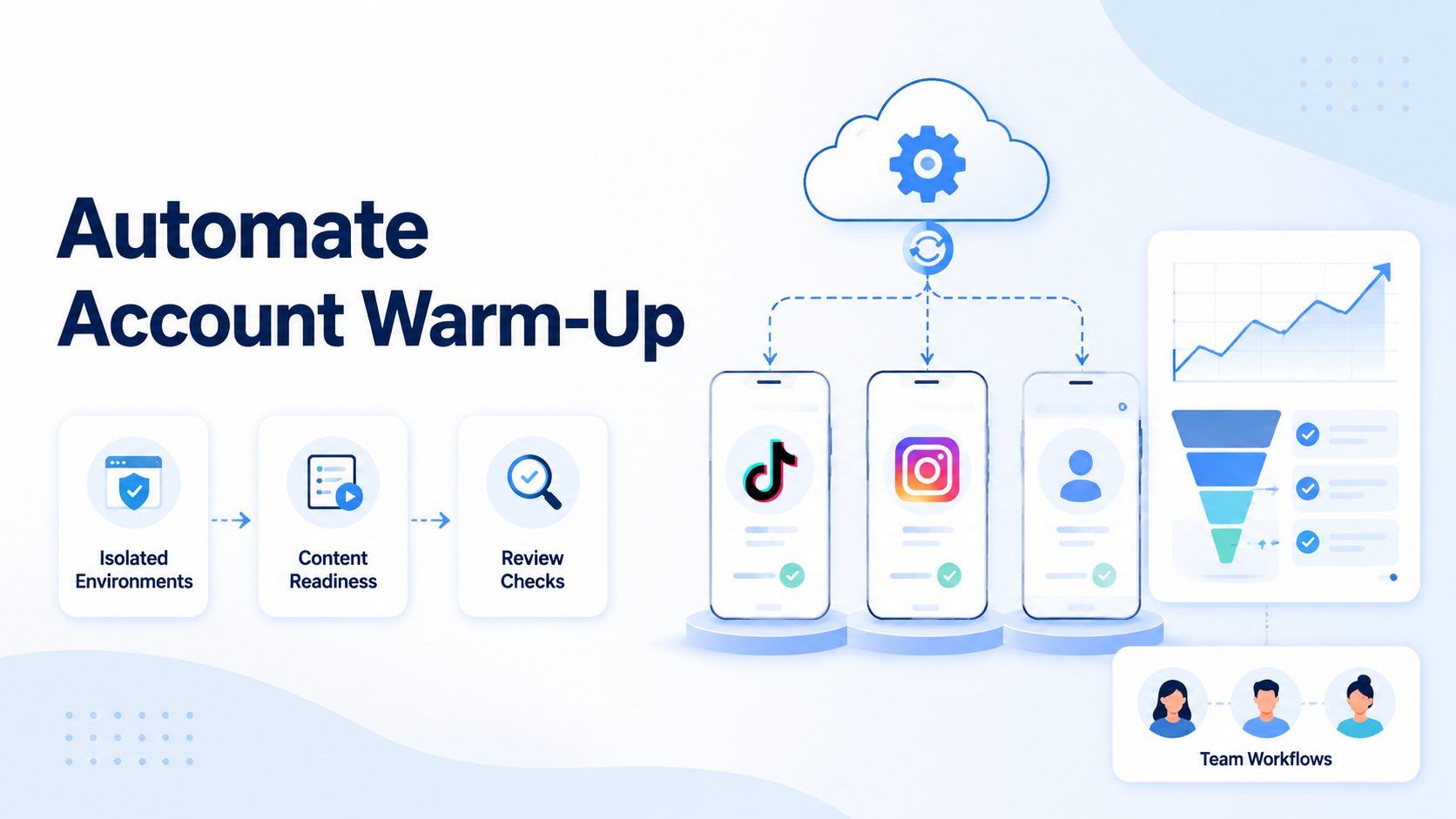
Cloud Phone Automation for TikTok and Instagram Growth is a way to run repeated mobile account workflows inside isolated remote Android environments with clear ownership, routing, and review rules. In plain terms, cloud phone automation turns mobile execution into a managed workflow instead of a loose collection of physical devices, local emulators, and operator memory.
That difference matters because TikTok and Instagram growth work often depends on mobile surfaces. Teams publish, review inbox activity, check account status, and coordinate repeated actions inside app environments. When several operators or several account groups share that work, clean device separation becomes an operating requirement.
Android Enterprise describes managed Android deployment as a way to control device fleets with repeatable policy and ownership.1 AWS Device Farm and BrowserStack App Automate also show that remote device execution is treated as structured infrastructure, not just ad hoc phone access.2 3
The Core Idea Behind Cloud Phone Automation for TikTok and Instagram Growth
The common myth is that cloud phone automation means "more phones in the cloud." The stronger model is more specific. It means one remote mobile lane can be prepared, assigned, reviewed, and recovered without needing a desk full of physical devices.
Cloud phone automation matters when teams need repeatable Android execution with cleaner state boundaries. The value comes from isolation, assignment, and workflow visibility.
| Layer | What it controls | Why it matters |
|---|---|---|
| Device lane | One remote Android environment | Separates account work |
| Routing | Network path and region logic | Keeps account context consistent |
| Task path | What the device should do next | Makes runs reviewable |
| Owner | Who handles exceptions | Reduces blocked-run drift |
| Recovery | Retry, pause, or reassign rule | Keeps the workflow stable |
That is why the closest next pages are cloud phone, mobile automation, and device isolation. The device is only one part of the system.
Why Teams Search for This Topic
Most teams arrive here after a scaling problem appears. One operator can manage a few local devices, but the model breaks when the team needs more accounts, more shifts, or more repeatable routing.
The search question usually sounds like "which cloud phone tool should we use?" The harder question is whether the mobile workflow will still stay clear after ten more accounts and two more operators join the same process.
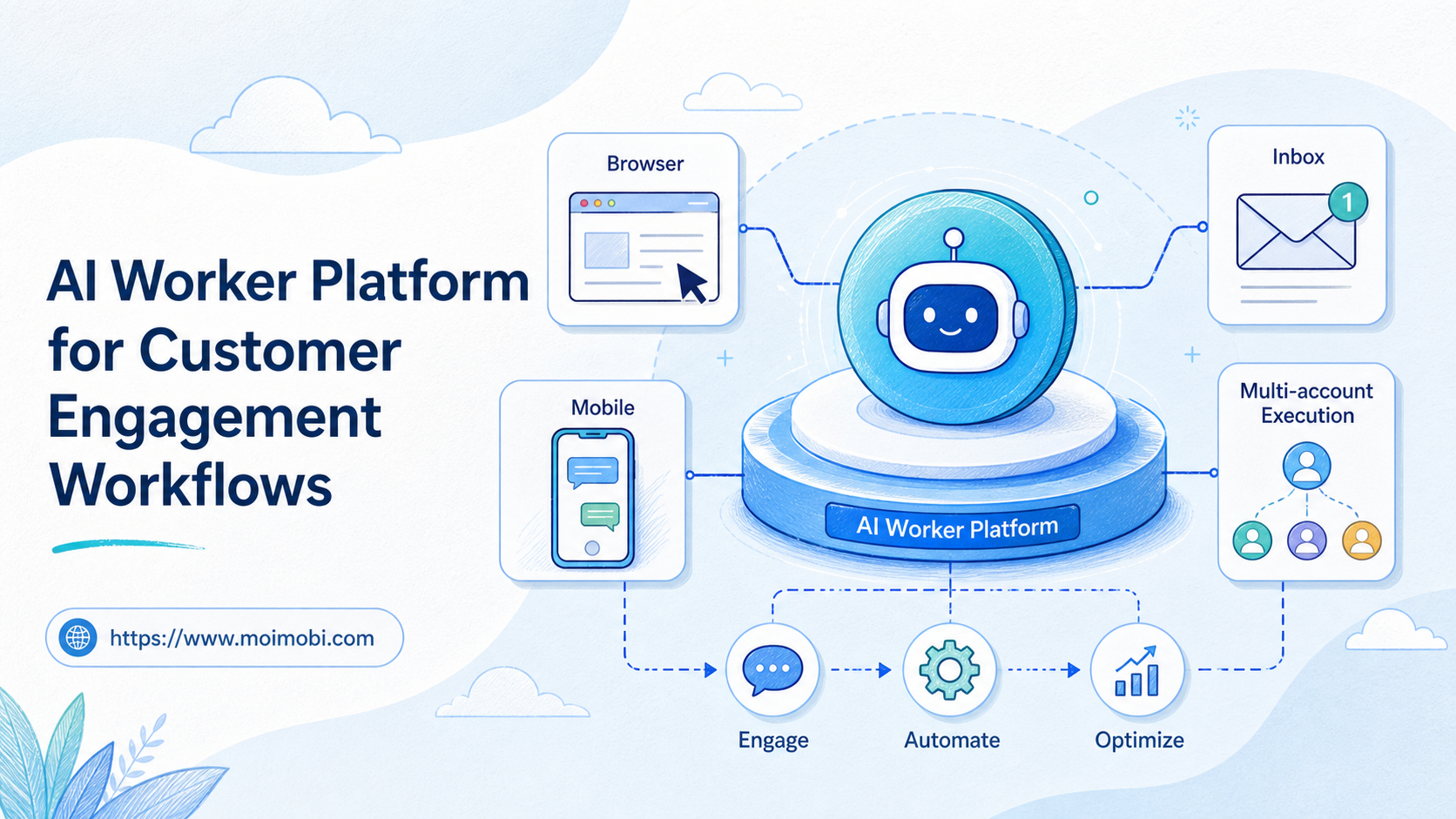
Growth teams also search for this topic because browser-only automation reaches a limit. Some actions are easier to review in the browser, but TikTok and Instagram execution often still depends on mobile app state. That is why the browser lane and the device lane need a clean handoff instead of a tool fight.
Who Benefits Most and In What Situations
Cloud phone automation is strongest when the work is repeated, app-based, and tied to account-specific state.
Strong match
- TikTok and Instagram teams running several account groups.
- Agencies that need shift-based access to client mobile lanes.
- Cross-border teams that need region-aware routing and account separation.
- Operations groups that want reusable handoff between browser and mobile work.
Weak match
- Solo users with low posting frequency.
- Teams that still run everything from one shared device pool.
- Workflows with no named owner for blocked mobile runs.
- Projects that only need desktop browser review.
The fit test is simple: does the team need mobile state to remain stable across repeated work? If yes, cloud phone automation is usually a better conversation than adding more local devices.
TikTok and Instagram growth teams also benefit when the same lane model can be handed across shifts without losing context. That is hard to do with a loose collection of desk phones. It is much easier when each remote lane has a named owner, a known account cluster, and a visible recovery rule.
How to Evaluate or Start Using Cloud Phone Automation for TikTok and Instagram Growth
Start with one account cluster and one task path.
- Checkpoint 1: choose one account family, not the whole fleet.
- Checkpoint 2: assign one remote Android lane to that family.
- Checkpoint 3: lock the routing and handoff rule before scale.
- Checkpoint 4: define one workflow, such as publishing, inbox review, or account checks.
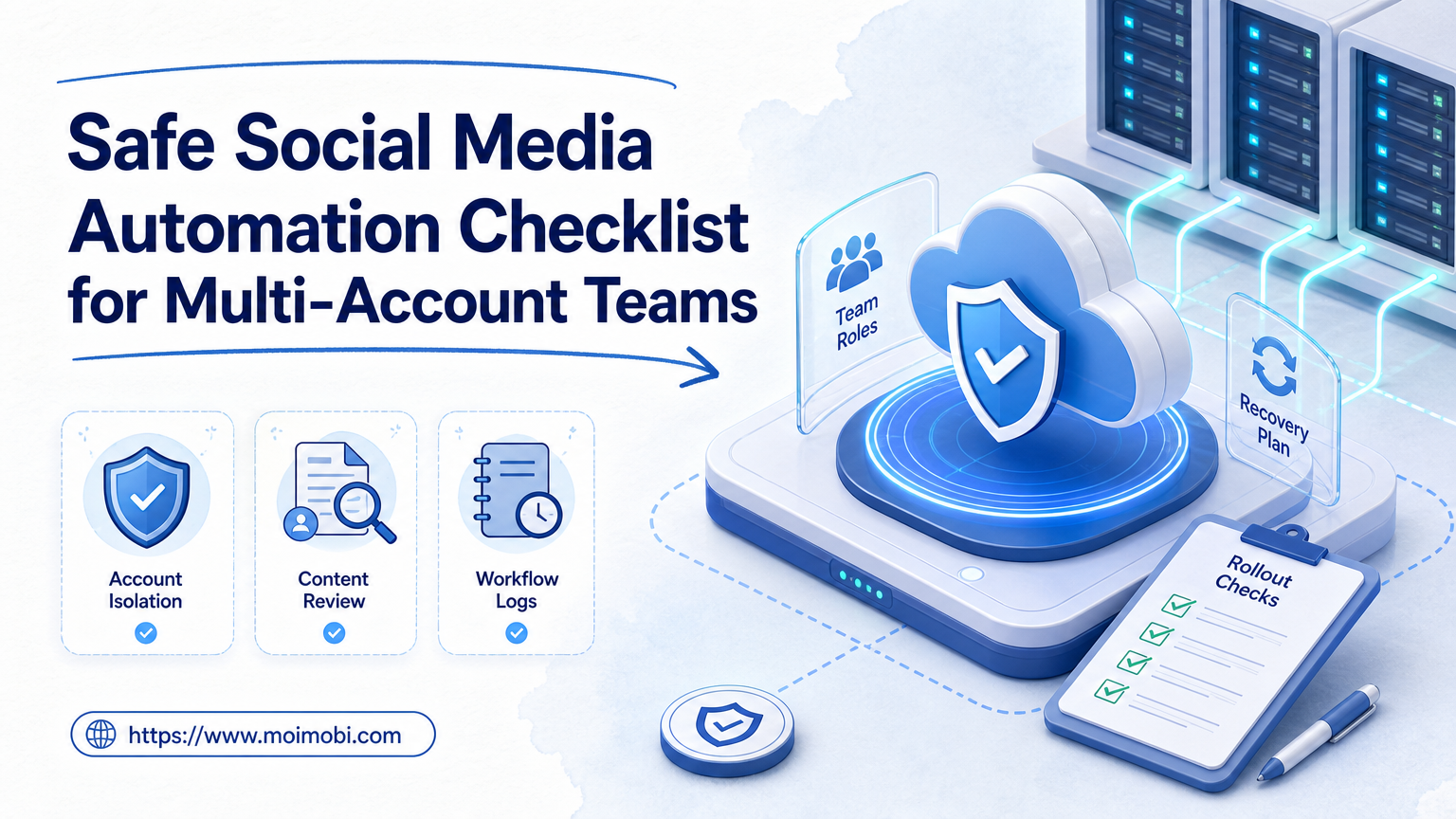
- Checkpoint 5: log every delay, pause, and manual rescue.
Android Enterprise is useful here because it frames managed Android work around control, policy, and repeatability instead of convenience alone.1 Teams should copy that mindset even if they are not using enterprise device management directly.
For TikTok-heavy workflows, cloud phone for TikTok and cloud phone for USA TikTok accounts are the most natural next pages. For broader device fleet design, cloud phone farm infrastructure is a better internal hub.
Mistakes That Reduce Results
The first mistake is comparing cloud phone automation only by device count or monthly price. Cheap capacity does not help if the workflow becomes harder to review.
The second mistake is mixing unrelated account groups inside one remote lane. That usually saves a small amount of setup time and creates a much larger recovery problem later.
The third mistake is treating cloud phones like physical phones with a different screen location. Remote mobile lanes need clearer assignment because more people can touch them.
What not to do
- Do not move accounts between remote lanes without updating the account map.
- Do not test routing changes in a live production lane first.
- Do not expand volume when blocked runs still depend on one operator's memory.
- Do not judge the system only by post count if recovery quality keeps falling.
Cloud Phone Automation and Browser-to-Mobile Handoff
Growth teams often prepare work in the browser and finish it on mobile. That is normal. The problem appears when the browser lane and the device lane are managed by different rules.
Use a simple handoff model:
| Step | Browser lane does | Mobile lane does |
|---|---|---|
| Preparation | Queue review, caption prep, account assignment | Waits for final task package |
| Execution | Records the next required action | Runs the app-side action |
| Review | Confirms expected post or state result | Returns pause or completion status |
| Recovery | Routes issue to owner | Preserves device state for inspection |
This is often where teams compare a remote Android lane with browser-profile tools. The better answer is usually "use both where they fit" rather than forcing one layer to do every job.
Pilot Rollout, Measurement, and Recovery Checks
The pilot should prove that the mobile lane becomes easier to explain after the move.
Use this scorecard:
- Lane clarity: each device lane maps to one account cluster.
- Routing stability: the route model stays consistent through the pilot.
- Run visibility: each action has a clear next state and owner.
- Recovery speed: blocked runs are inspected before new work is piled on.
- Scale readiness: the same lane model works for the next account batch.
AWS Device Farm and BrowserStack App Automate both frame remote device work as repeatable testing or execution infrastructure with named devices, sessions, and logs.2 3 The lesson for social operations is the same: stable infrastructure is visible infrastructure.
Cloud Phone Automation Pass or Fail Rules
| Decision point | Pass | Fail |
|---|---|---|
| Add more lanes | Current lanes still have clear owners and route logic | Operators already guess which lane is current |
| Shift more workflow to mobile | Browser handoff is explicit and logged | The next action still lives in chat |
| Replace local devices | Remote lanes keep review and recovery visible | Debugging becomes harder than before |
Fields worth tracking
| Field | Why it matters |
|---|---|
| Device lane name | Confirms which remote environment is active |
| Account cluster | Maps work to the right owner |
| Route or region rule | Keeps environment logic visible |
| Last successful action | Helps reviewers debug drift |
| Recovery owner | Prevents stalled work from floating |
If the article topic later shifts into emulator comparison, the best next internal hub is cloud phone vs emulator, not a generic tools list.
One more practical check helps here. If the next operator can reopen the same lane, explain the last action, and continue the workflow without asking for context, the pilot is close to production shape.
Frequently Asked Questions
Is cloud phone automation the same as renting Android devices?
No. The useful model includes account mapping, routing, ownership, and recovery.
When does it beat a physical phone farm?
It usually becomes more attractive when shift access, remote ownership, and repeatable handoff matter more than desk-side control.
Does every TikTok or Instagram team need it?
No. Small teams with simple manual posting may not need remote device lanes yet.
What should a pilot automate first?
Choose one repeated mobile workflow with a named owner and clean success state.
What is the first warning sign?
The first warning sign is account mixing across device lanes.
Can browser automation replace it?
Not fully. Some workflows still depend on mobile app state and need a device lane.
What cost should the team watch first?
Watch the cost of blocked runs and manual rescue before you only watch device count.
What should the team review next?
Review whether the handoff between browser preparation and mobile execution is already explicit.
Conclusion
Cloud Phone Automation for TikTok and Instagram Growth works when remote Android lanes are treated as execution infrastructure, not just extra devices. The best systems separate account state, make handoff visible, and keep recovery simple enough for the team to use every day.
The next practical move is small. Pick one account cluster, one mobile workflow, and one owner. Then inspect whether routing, recovery, and handoff are clearer after the pilot. If they are, the infrastructure is doing real work.
Sources
-
Android Enterprise documentation explains managed Android deployment and control models that are relevant to remote device operations. ↩↩
-
AWS Device Farm treats remote devices as session-based infrastructure with test execution and device management concepts. ↩↩
-
BrowserStack App Automate documents real-device execution and session handling, which is useful for thinking about remote mobile lanes. ↩↩