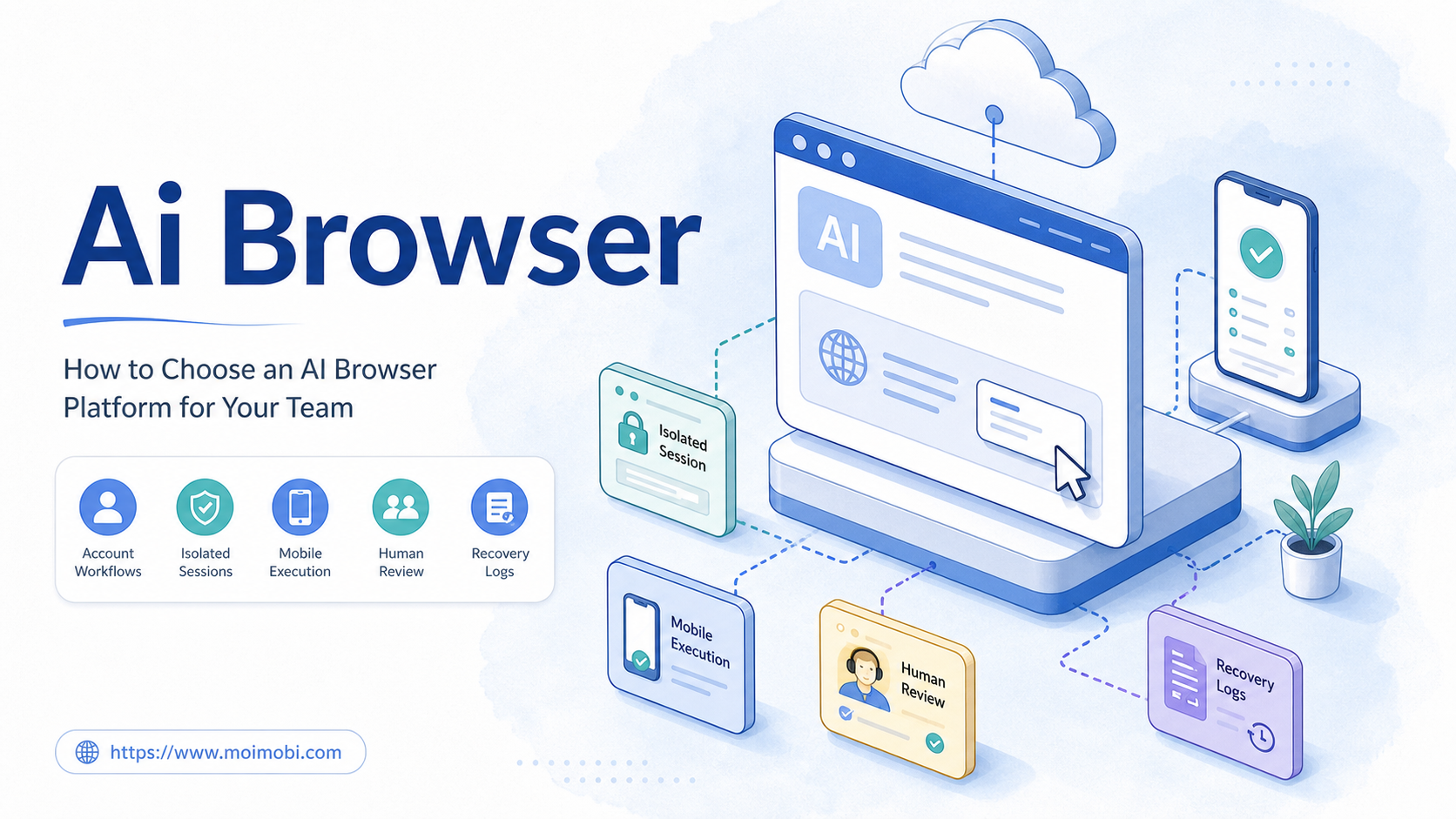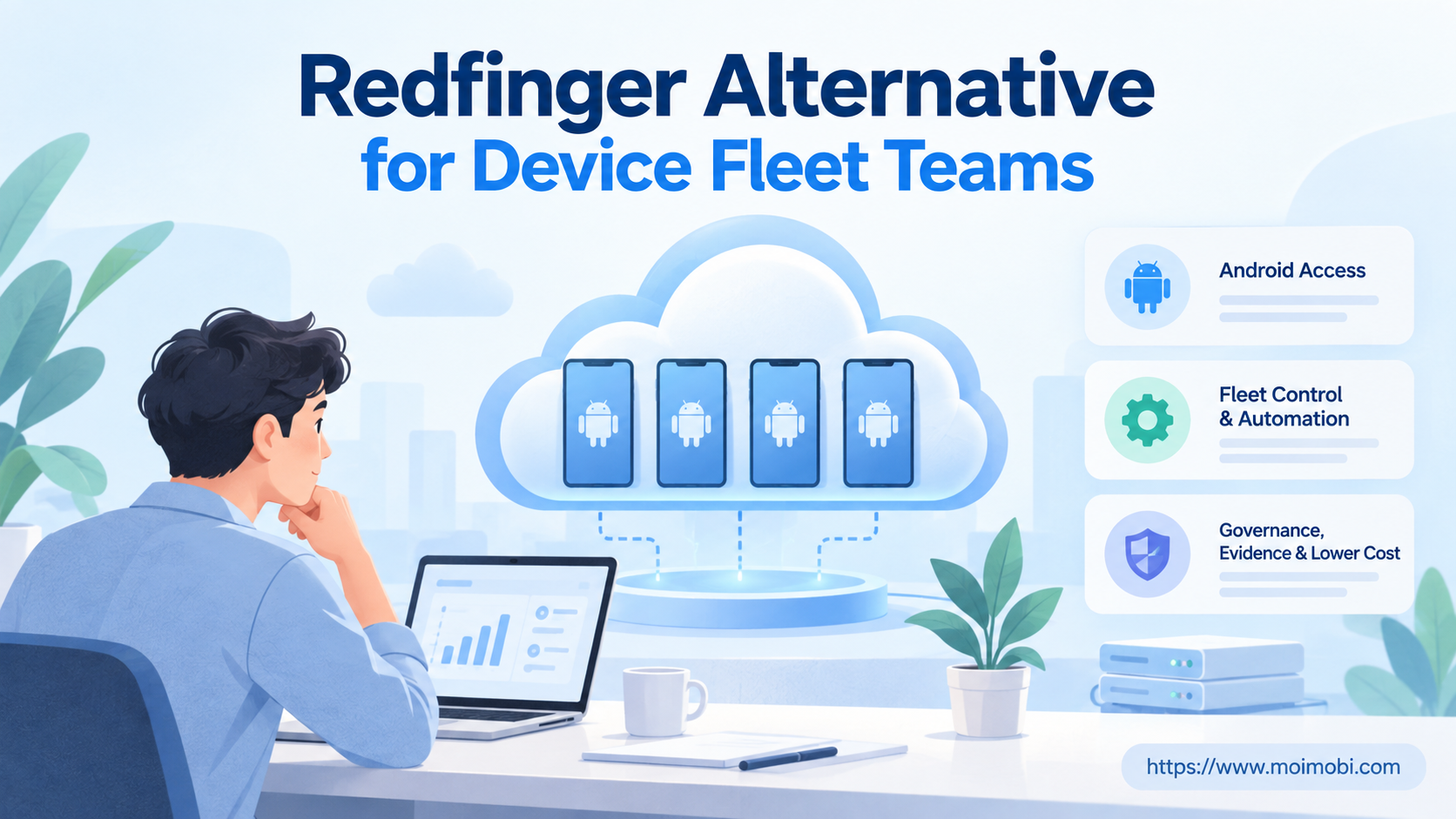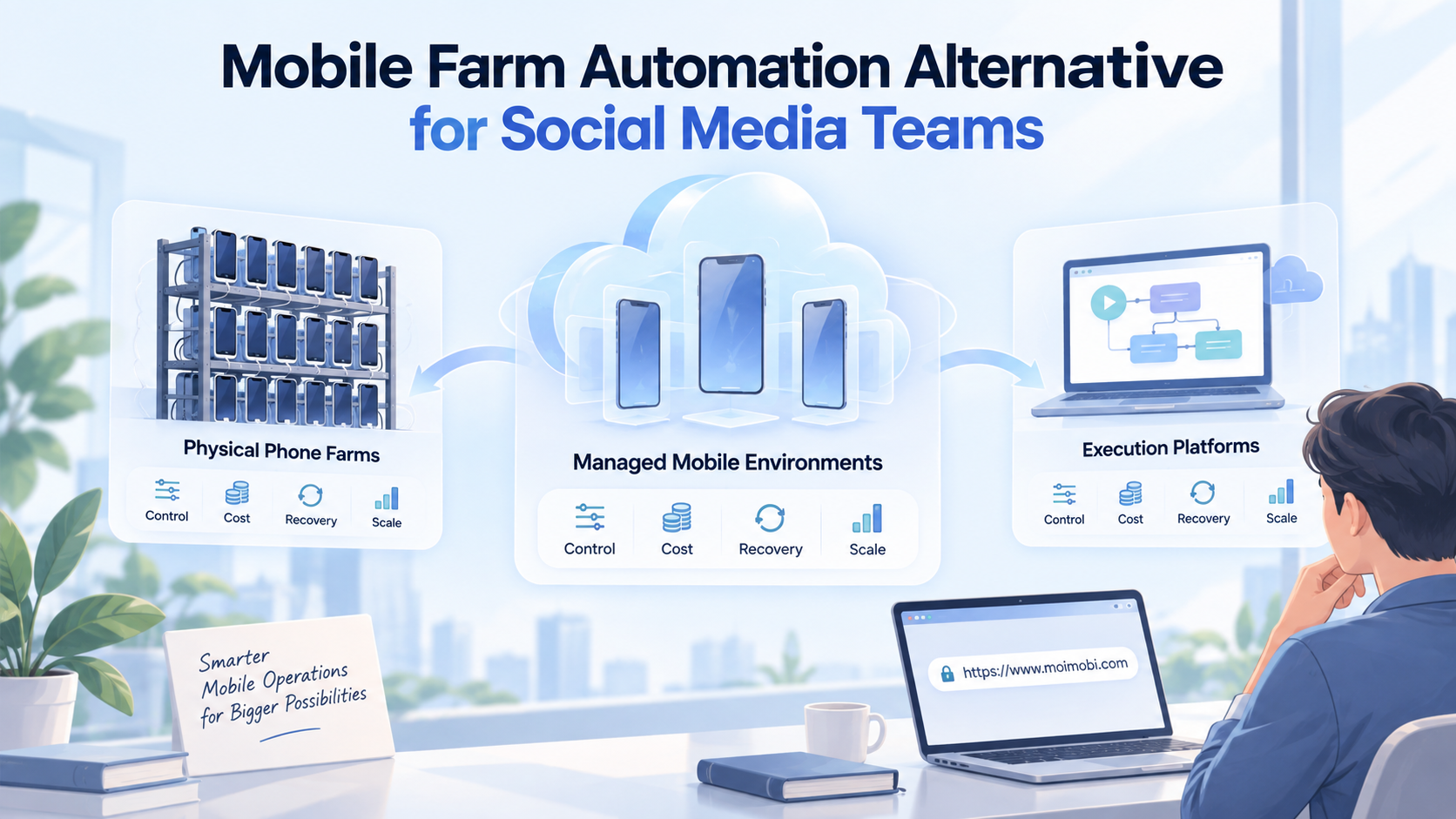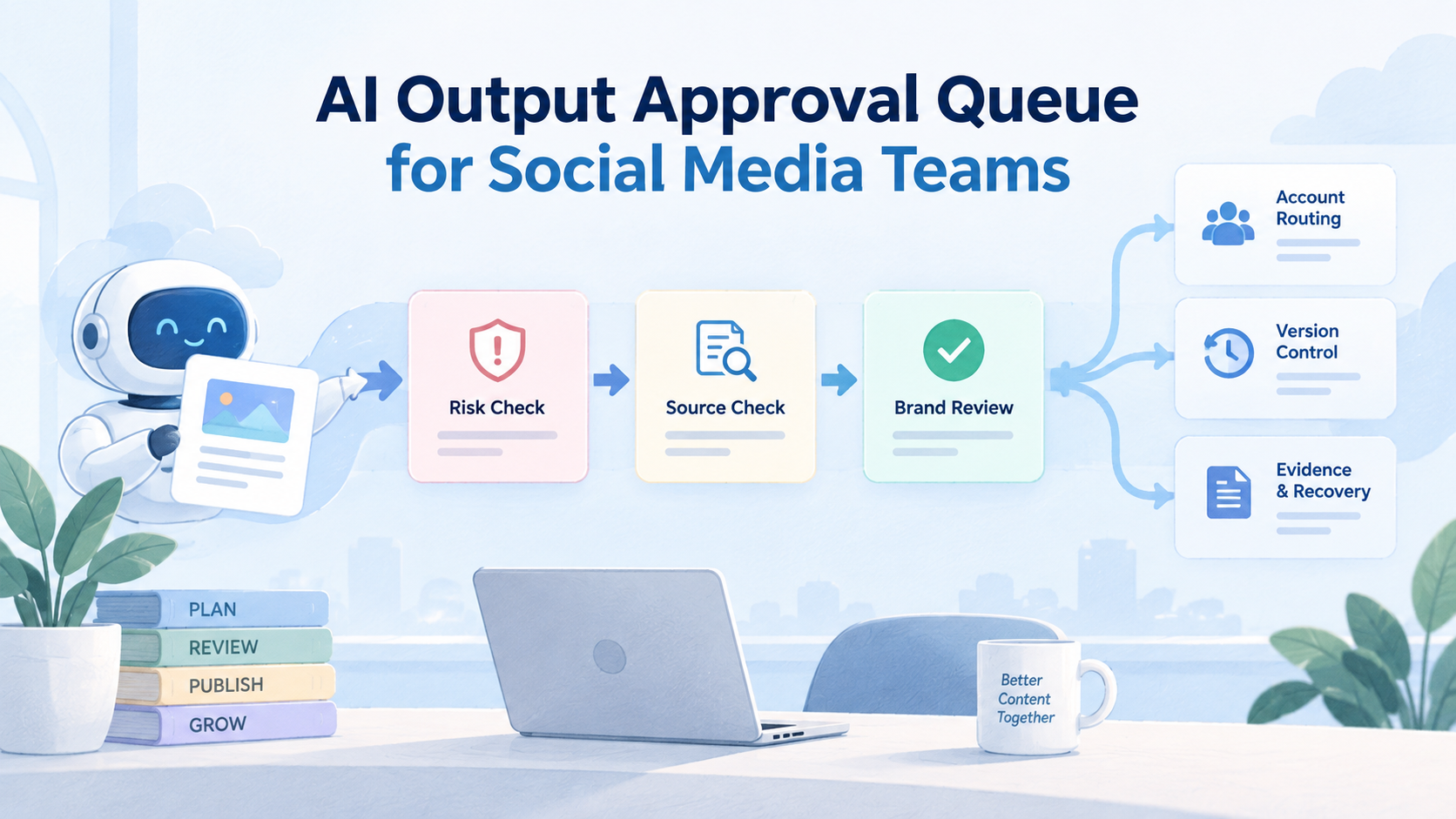
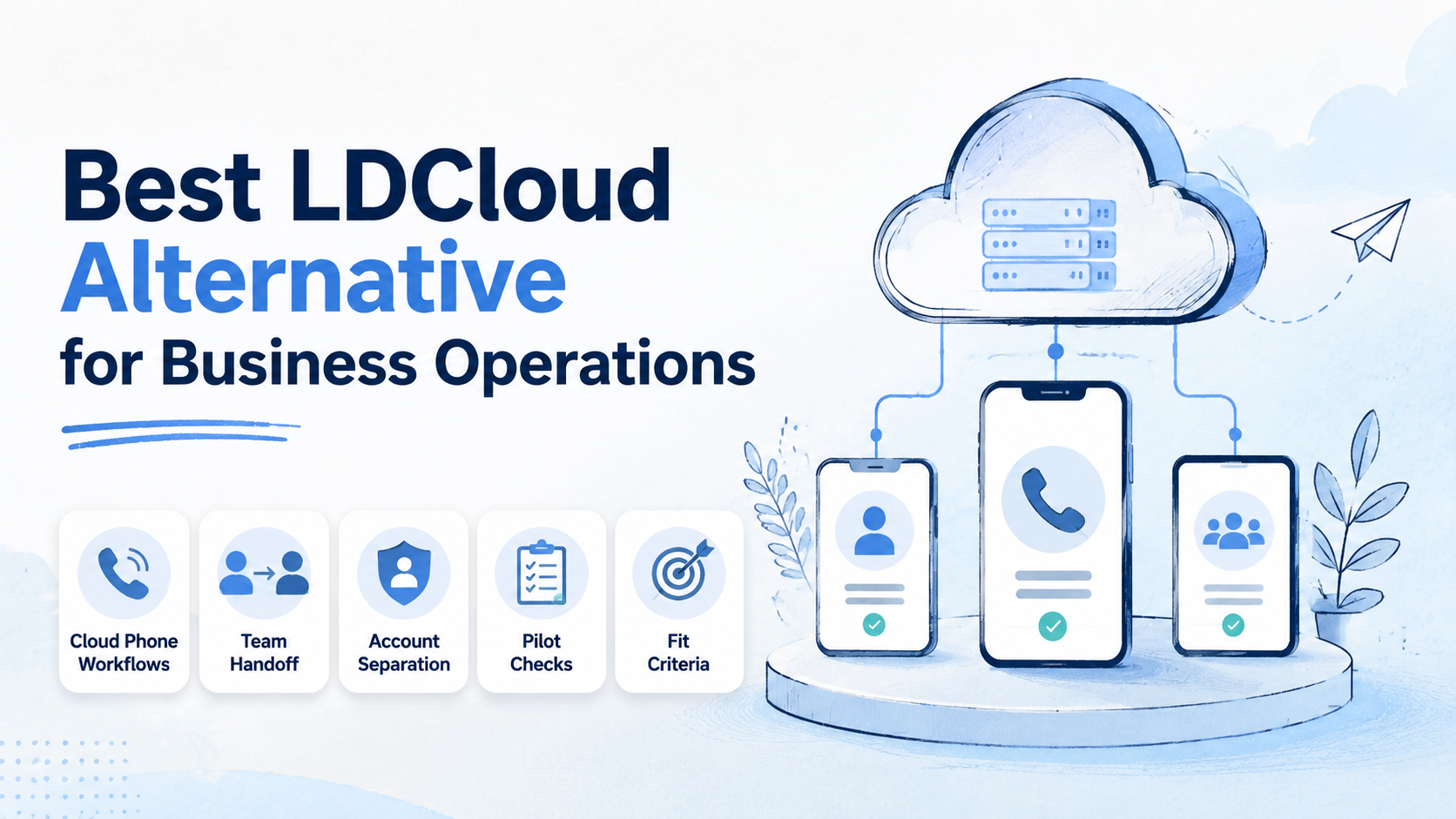
An LDCloud alternative is a cloud phone or mobile execution platform that a team evaluates when its current remote Android workflow no longer fits its operating needs. For business operations, the best choice is usually the option that keeps mobile work assignable, separated, reviewable, and easy to recover when tasks fail.
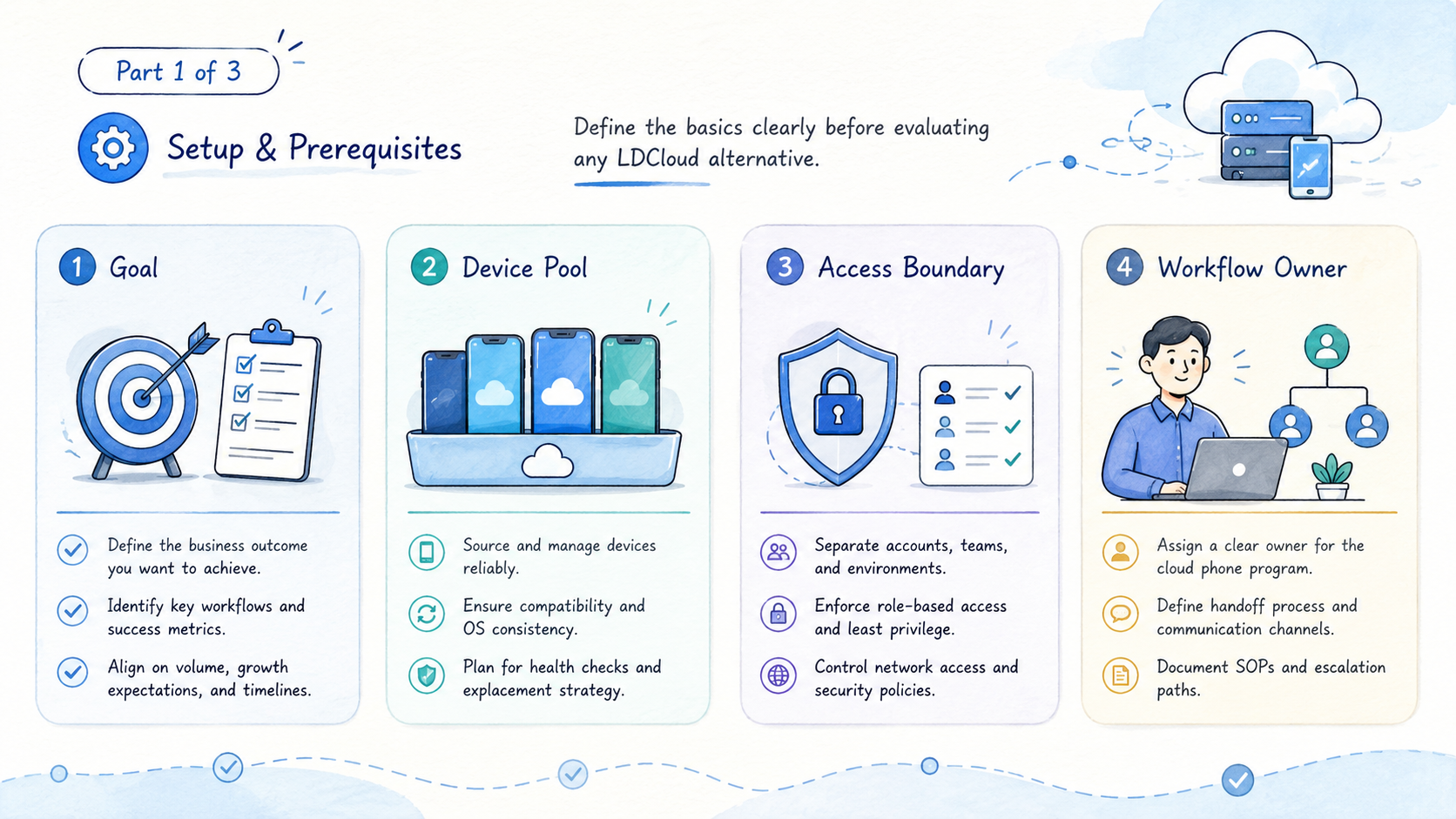
The selection rule is simple. Do not compare only device count or monthly price. Compare the operating burden: account lanes, routing policy, app setup, handoff, task records, review controls, and the team's ability to fix failures without losing context.
MoiMobi is worth considering when the team needs cloud phones as part of a broader execution system. It is not just a remote screen. It connects cloud phones, device isolation, mobile automation, and multi-account management for repeated mobile work.
Key Takeaways
- The best LDCloud alternative depends on workflow fit, not only device access
- Business teams should compare account separation, team handoff, routing policy, automation support, and recovery paths
- MoiMobi is strongest when cloud phones need to support real operating lanes
- A small 3-lane pilot is safer than moving every account at once
- The wrong alternative is usually the one that adds devices without improving control
What to Compare Before Choosing an LDCloud Alternative
Begin with the work that must run every day. A business team may need mobile app access for social media operations, customer replies, seller account checks, campaign asset review, or regional account monitoring. Those workflows need more than a remote Android display.
The first comparison point is account structure. A team should know whether one cloud phone maps to one account, one region, one operator, or one workflow lane. Weak mapping creates confusion later, even when the device itself works.
The second comparison point is handoff. If one operator starts a task and another finishes it, the environment must keep enough context. Files, notes, login state, and task status should not depend on memory.
The third comparison point is recovery across normal workdays. Mobile work fails in ordinary ways: apps time out, files are missing, local notes get stale, and a task may need manager review before the next step is safe. A good LDCloud alternative should make those failures visible and recoverable.
Use this comparison matrix before any vendor demo:
| Decision area | What to check | Why it matters |
|---|---|---|
| Account lane | One phone per account, group, or role | Prevents mixed work context |
| Routing policy | How traffic and proxy rules are controlled | Supports cleaner operating rules |
| App setup | Which apps belong in each workspace | Reduces clutter and wrong-account work |
| Handoff | Owner, backup owner, and task record | Keeps work moving between shifts |
| Automation | Repeatable checks and queue steps | Reduces manual repetition |
| Recovery | Stop rules and escalation owner | Helps teams fix failures without guessing |
Google's SEO Starter Guide is about search, but its structure lesson applies here: clear organization helps people understand what exists and what to do next.
How to Compare an LDCloud Alternative in a 30-Day Pilot
A 30-day pilot gives the team a better signal than a 30-minute demo. The goal is not to prove that a phone can open an app. The goal is to prove that work stays clear after real operators, real accounts, and real interruptions enter the process.
Use a small pilot group with 3 work lanes:
| Lane | Business use | Success check |
|---|---|---|
| Lane 1 | Social account review | Operator can open the right app, confirm the account, and log the result |
| Lane 2 | Customer reply review | Manager can inspect replies before sensitive messages are sent |
| Lane 3 | Marketplace or app monitoring | Backup owner can continue the task without asking for missing context |
During the first week, focus on setup quality. Each workspace should have a clear name, owner, backup owner, app list, file rule, and stop rule. A cloud phone pool without naming discipline becomes hard to use once more people join.
During the second week, test handoff with a planned shift change. Ask one operator to start a task, pause it with notes, and let another operator finish it from the workspace record. This reveals whether the system keeps enough context for team work.
During the third week, test failure handling. Create a simple recovery drill for login prompts, missing assets, app timeouts, and tasks that need approval. The best LDCloud alternative should make those cases visible instead of hiding them inside chat messages.
During the fourth week, compare the results. Count task completion time, wrong-account events, failed access events, manager review time, and manual takeover cases. A platform that reduces cleanup deserves more attention than a cheaper option that creates hidden labor.
This pilot format also helps teams compare a UGPhone alternative, a VMOS alternative, or a VMOS Cloud alternative with the same standard. The tool names change, but the operating test stays the same.
LDCloud Alternative Comparison for Business Scenarios
A comparison becomes clearer when it uses scenarios. Device lists can look similar on paper. Operating lanes expose the difference faster.
Scenario 1: social media account operations
A team manages 20 account lanes across Facebook, TikTok, Instagram, and WhatsApp. The issue is not only opening apps. The team needs separated mobile workspaces, review rules, file naming, and operator handoff. MoiMobi fits this scenario when the team wants cloud phones connected to social media marketing workflows.
Scenario 2: customer message review
Support teams may need mobile access to inboxes, comments, or app-based message lanes. The key requirement is not aggressive automation. It is clean ownership. A workspace should show which account was checked, which reply needs approval, and who owns the next action.
Scenario 3: regional market execution
Cross-border teams may split mobile work by country, language, brand, or product line. A good cloud phone alternative should make that split easy to operate without forcing every region, operator, and account into one shared device pool.
Scenario 4: short-term app testing
Some teams only need a short test environment. A lighter cloud emulator may be enough. A full operations platform may be more than the team needs if there is no repeated account work.
These scenarios create a practical rule. Choose a simple option for simple testing. Choose an execution platform when people, accounts, files, and workflows need to stay organized over time.
Features, Workflow, and Trade-Offs
The common mistake is treating feature count as the buying decision. A long feature list does not mean the setup will be easy to run. A smaller set of well-mapped controls may serve the team better.
For operations, the key question is "what does the team need to repeat?" When the answer is only "open an Android app," almost any remote mobile setup may work. When the answer includes account separation, review, scheduling, and recovery, the comparison changes.
MoiMobi's value is strongest when the workflow needs these layers:
- Persistent cloud phone workspaces
- Separate account environments
- Routing and proxy policy
- Mobile automation for repeated tasks
- Team handoff and review
- Account-level operating records
Trade-offs still exist. More structure means more setup work. A team has to name workspaces, define owners, write stop rules, and review failed tasks before the system can run smoothly. That overhead is worthwhile only when it reduces larger cleanup later.
Google's guidance on creating helpful content warns against content made only for output. The same logic applies to operations. More mobile activity is not useful unless it serves a real user or business workflow.
Pricing and Operational Considerations
Do not evaluate cloud phone alternatives only by list price. The cheaper option can become expensive if it creates more manual cleanup. The more complete option can also be wasteful if the team only needs a temporary test device.
Think in operating costs:
| Cost area | Question to ask |
|---|---|
| Setup time | How long does it take to create a clean account lane |
| Training | Can a new operator use the workspace without a long explanation |
| Review | Can a manager inspect task status without asking for screenshots |
| Recovery | Can the team fix a failed task quickly |
| Expansion | Can the same model support 5, 20, or 50 lanes |
| Cleanup | How often do files, notes, or account context get mixed |
A business team should also decide what it does not need. Some teams do not need deep automation. Others do not need many regions. A clear "not needed" list prevents the team from buying complexity that will not be used.
Use a 30-day view instead of a single demo view. A demo shows whether the device opens. A 30-day pilot shows whether the workflow stays clean after real tasks, real handoff, and real mistakes.
Which Option Fits Different Teams
The best LDCloud alternative depends on the team shape. A solo operator, a social agency, and a marketplace operations team usually need different levels of control.
Choose a simpler cloud phone tool when
- You need short-term app access
- Only 1 or 2 people use the setup
- There is no multi-account handoff
- Workflow records are not a major concern
Evaluate MoiMobi when
- Multiple operators share mobile work
- Account lanes need separation
- Tasks repeat across social or commerce accounts
- Managers need review and recovery visibility
A UGPhone alternative or VMOS alternative may make sense for some individual or testing workflows. A VMOS Cloud alternative review should use the same discipline. Begin with the workflow, then compare device access, team controls, and recovery paths.
The right choice should reduce confusion. A tool that adds more devices but does not improve account mapping may leave the original problem intact.
LDCloud Alternative Decision Scorecard
A scorecard keeps the buying conversation grounded. Give each area a score from 1 to 5, then write one sentence explaining the score. The explanation matters because it exposes trade-offs that a raw number can hide.
| Score area | 1 means | 5 means |
|---|---|---|
| Account separation | Operators share unclear device context | Each account lane has its own named workspace |
| Handoff | Work depends on chat history and memory | A backup owner can continue from the task record |
| App readiness | Apps are installed manually case by case | Workspace templates keep app setup consistent |
| Routing control | Routing rules are unclear or undocumented | Proxy and route policy are tied to the workspace |
| Review visibility | Managers need screenshots to understand status | Managers can review owner, task, state, and next step |
| Recovery | Failures are handled ad hoc | Stop rules and escalation owners are defined |
| Scale path | The setup works only for 1 person | The same model can expand to 10, 20, or 50 lanes |
For a small testing team, a simple tool can win because the scorecard does not require heavy control. For an agency or growth team, the same scorecard often points toward a more managed system. The team is not buying abstract features. It is buying fewer mixed sessions, fewer unclear handoffs, and fewer lost tasks.
MoiMobi should score best when cloud phones need to work with account lanes, operator roles, and repeatable mobile workflows. It may not be the right fit when the team only needs a temporary Android screen for light app access.
Pilot Rollout, Measurement, and Recovery Checks
A pilot should be narrow enough to diagnose. Use 3 mobile work lanes, not every account. The first lane can handle social posting checks, the second can handle customer reply review, and the third can handle marketplace or app-based monitoring.
Give each lane a record:
| Field | Example |
|---|---|
| Workspace ID | SOC-01 |
| Account lane | TikTok test group |
| Owner | Operator A |
| Backup owner | Manager B |
| Allowed tasks | Post check, inbox triage, screenshot capture |
| Stop rule | Login prompt, customer complaint, missing asset |
| Review time | 10:00 and 17:00 local time |
Measure the pilot with 6 signals:
- Task completion time
- Failed login or access events
- Handoff count
- Manager review time
- Wrong-account or wrong-asset events
- Manual takeover events
The recovery check is the most useful part. Ask what happens when a task fails. When the operator knows the owner, the next step, and the stop rule, the system is working. A team that has to reconstruct the task from chat history is not yet ready to scale.
Run the pilot for 2 weeks. Week 1 should test whether the lanes are clear. Week 2 should test whether another operator can take over without losing context. Expand only after both checks pass.
Frequently Asked Questions
What is an LDCloud alternative
An LDCloud alternative is another cloud phone or mobile execution platform a team can use for remote Android workflows, mobile account work, and team operations.
Is MoiMobi only a cloud phone rental tool
No. MoiMobi should be evaluated as execution infrastructure for cloud phones, account separation, routing control, and repeatable mobile workflows.
What should teams compare first
Compare account lanes, handoff, recovery rules, routing policy, and review visibility before comparing raw device count.
Cloud emulator fit
For lightweight app testing, a cloud emulator may be enough. Repeated account operations usually need stronger workspace control, cleaner task records, and a recovery path that survives team handoff.
Tool replacement scope
Usually no, and that is fine. Teams may still need content calendars, support tools, analytics, platform-native dashboards, and their own approval process.
Pilot length
A 2-week pilot is a practical starting point for a small team. It gives enough time to test setup, handoff, and recovery without moving every account into a new system too early.
Where does MoiMobi fit best
MoiMobi fits teams that need mobile execution lanes across multiple accounts, operators, workflows, or regions.
Conclusion
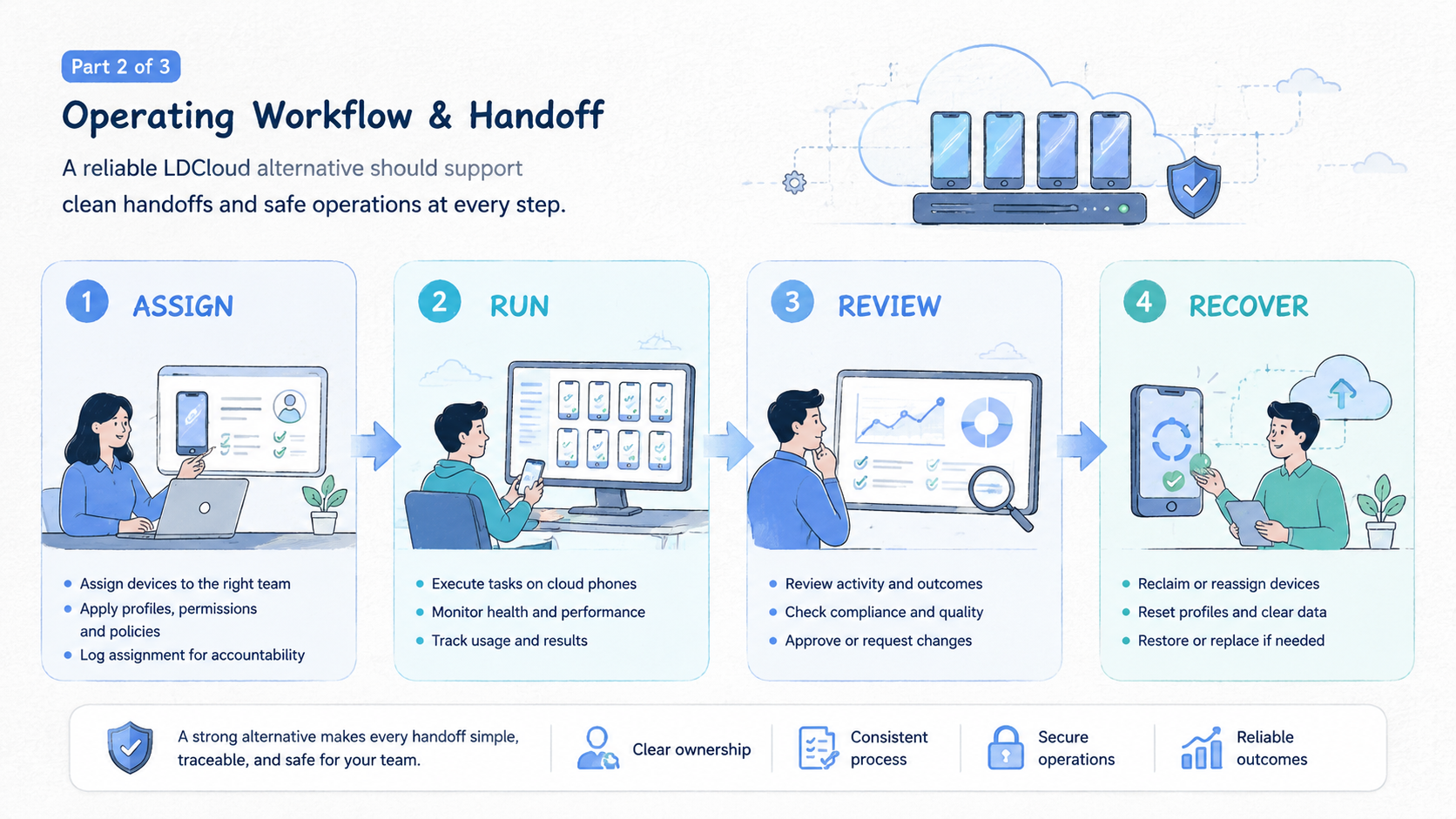
The best LDCloud alternative for business operations is the option that reduces operating friction. Device access matters, but it is not the whole decision. Teams also need account separation, repeatable workflows, routing policy, review visibility, and recovery rules.
Start with a simple map. List the accounts, operators, tasks, and failure points that create the most cleanup today. Then run a 3-lane pilot and measure whether the alternative improves handoff, review, and recovery.
MoiMobi is a strong candidate when cloud phones need to become part of a managed execution system. For short-term app access, a lighter tool may be enough. For durable mobile operations, choose the platform that keeps work traceable after the demo ends and keeps people aligned after the first week.