Key Takeaways
- This AI employee platform guide helps founder-led teams turn repeated operating work into assigned, reviewable AI worker lanes.
- The best first workflows are narrow tasks such as lead research, reply triage, content preparation, inbox review, and account checks.
- Browser and mobile execution matter when the work must happen inside real dashboards, accounts, apps, or account-specific environments.
- Founders should measure completion rate, correction load, handoff clarity, exception rate, and time recovered before expanding.
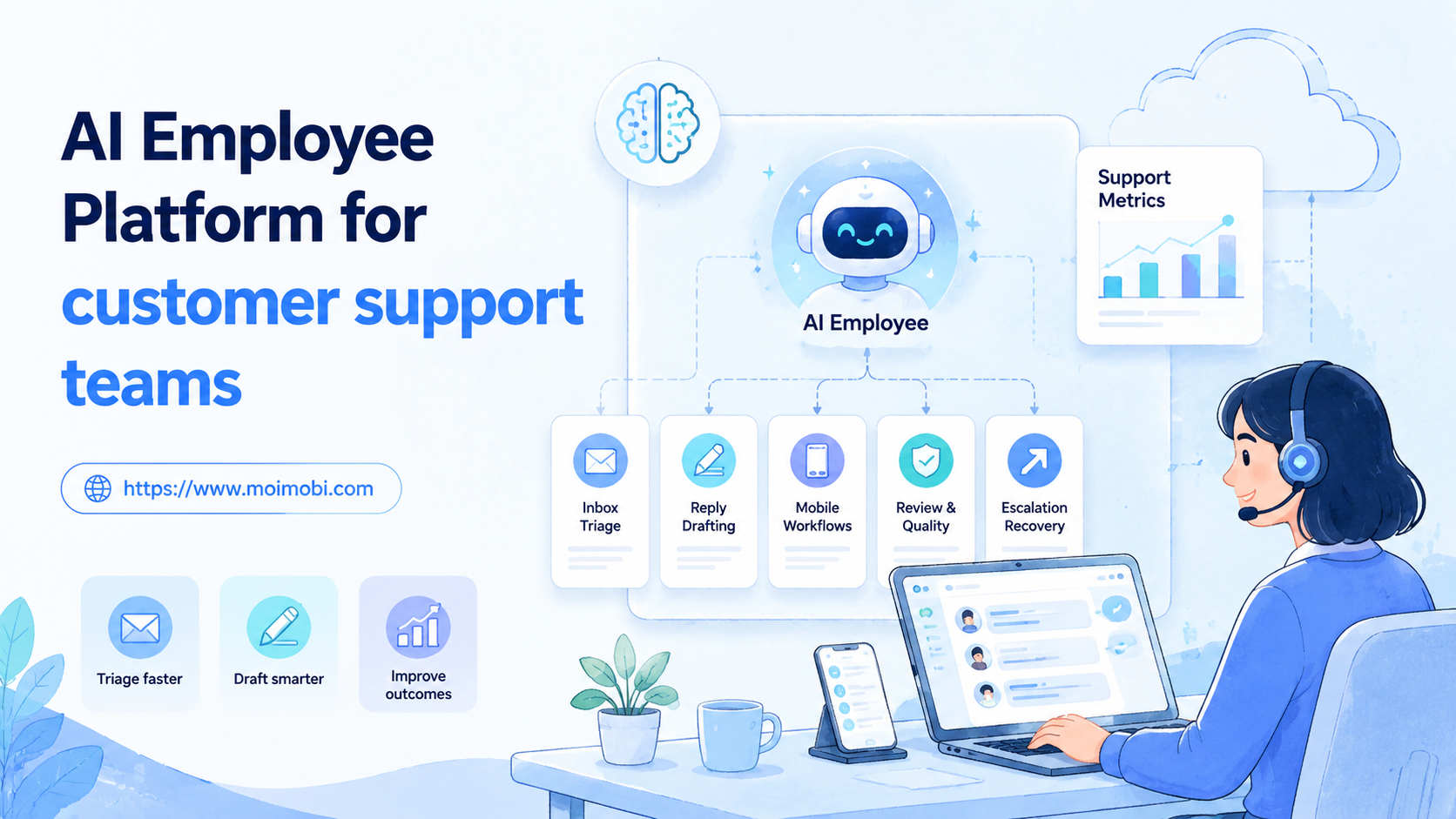
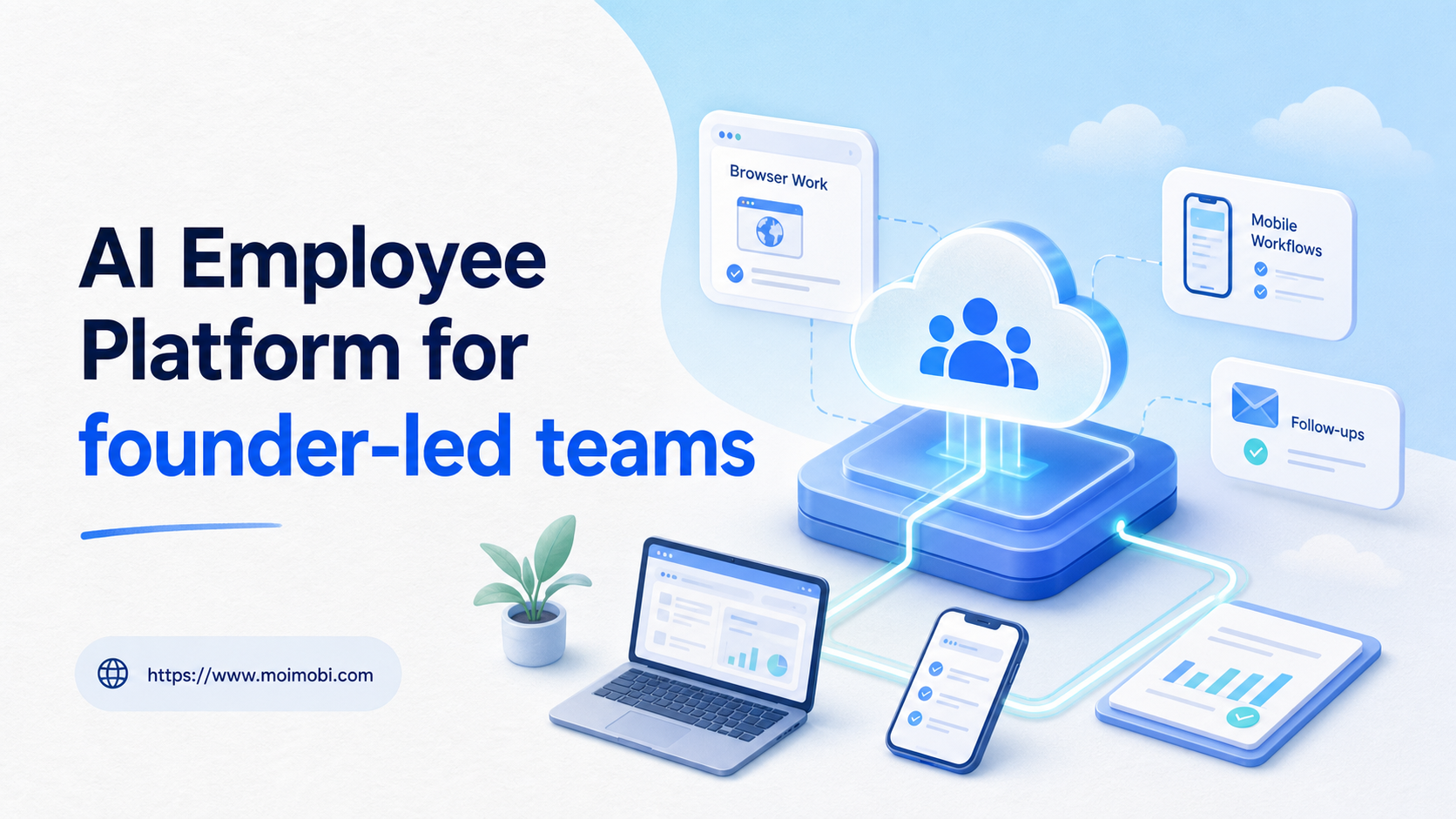
For a founder-led team, an AI employee platform is software that lets AI workers plan, execute, record, and improve repeated business tasks inside controlled work environments. The main value is leverage without losing operating visibility. The founder can delegate repeated digital work while keeping approval, logs, and exception handling in view.
The problem is not that founders lack tools. The problem is that every tool creates another surface to check. A founder may need to review leads, answer customer messages, publish content, inspect dashboards, and coordinate contractors before lunch.
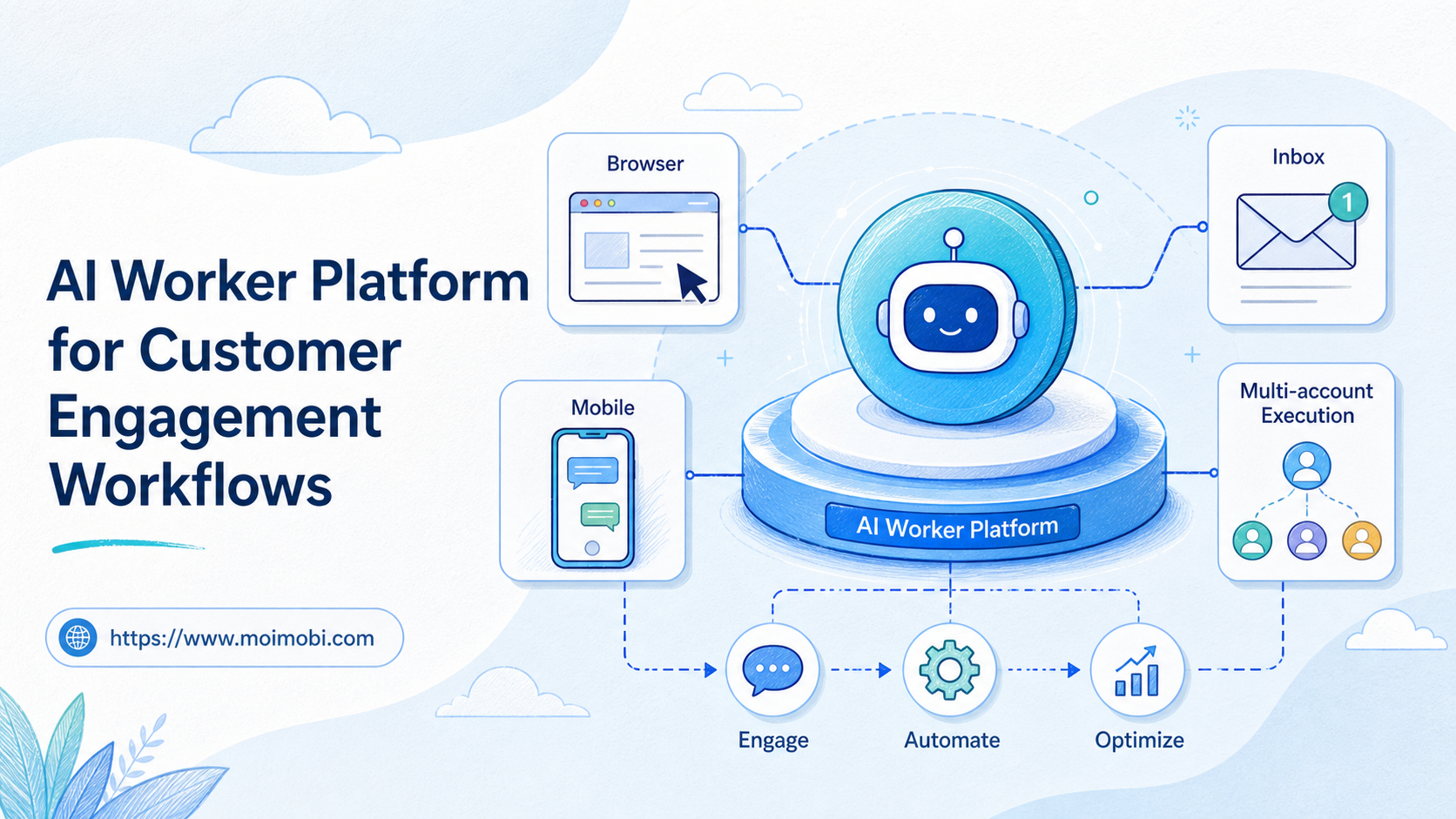
Moimobi fits this category as an AI execution platform for browser and mobile workflows. It is not only a writing assistant. It connects AI-assisted work to account environments, task records, and execution lanes that a small team can inspect.
What Is AI Employee Platform for Founder-Led Teams?
In this context, the platform assigns recurring operating work to AI workers with clear roles, tools, and review rules. The founder does not ask one assistant to "run the company." Instead, the founder creates a few narrow lanes that remove daily friction.
Common lanes include prospect research, inbox triage, social content preparation, customer follow-up, competitor monitoring, and report collection. Each lane should have a trigger, source data, allowed action, environment, output, and stop rule.
This is different from using a chatbot for isolated answers. A chatbot may draft a reply or summarize a page. A platform should help the worker use the right browser profile, app environment, account workspace, or task queue.
The founder-led context changes the decision. Larger teams may have department owners, operations managers, and dedicated analysts. A founder-led team often has one person holding sales, marketing, support, and product decisions at the same time. The platform must reduce context switching, not create more dashboards.
Why AI Employee Platform for Founder-Led Teams Matters
The most common misunderstanding is that AI employees replace hiring. That framing is too broad. A better model is execution capacity for repeated workflows that already have a rough process.
Founder-led teams usually need help in three places:
- Daily follow-up: leads, customers, partners, and comments need timely review.
- Account-based work: social, marketplace, CRM, email, and dashboard tasks live in separate environments.
- Routine monitoring: competitors, campaign results, order status, and customer signals need regular checks.
The founder remains the decision owner. AI workers should prepare, classify, execute safe steps, and escalate unclear cases. This keeps judgment with the human while reducing repeated handling.
Moimobi's multi-account management use case is relevant because small teams often manage many business identities before they have a large operations staff. One founder may oversee personal brand accounts, company social channels, test accounts, support inboxes, and growth workflows.
Scenario Map: Founder Tasks, AI Workers, and Review Points
Begin with a map of work, not a list of features. The goal is to identify which tasks can move from founder attention to an AI worker lane.
| Founder Pain Point | AI Worker Lane | Execution Environment | Human Review Point |
|---|---|---|---|
| Lead lists are scattered | Research assistant | Browser dashboards, CRM, spreadsheets | Qualification criteria and final outreach approval |
| Messages wait too long | Inbox triage worker | Email, support inbox, social inbox, mobile app | Complaints, pricing, refunds, and sensitive replies |
| Content takes founder time | Content preparation worker | Content library and publishing workspace | Brand voice and final publishing decision |
| Competitor checks are inconsistent | Monitoring worker | Browser sessions and saved dashboards | Weekly interpretation and action selection |
| Reports are manual | Reporting worker | Dashboards, spreadsheets, task logs | Metric review and priority setting |
The table shows why AI employees software needs execution context. A founder does not only need text. They need repeatable handoffs, controlled account access, and records that explain what happened.
Browser and Mobile Workflows for Small Teams
Most small teams begin with browser work. Browser workflows cover web apps, CRM views, ecommerce dashboards, social inboxes, spreadsheets, forms, and content tools. An AI browser execution platform can make those workflows easier to assign and inspect.
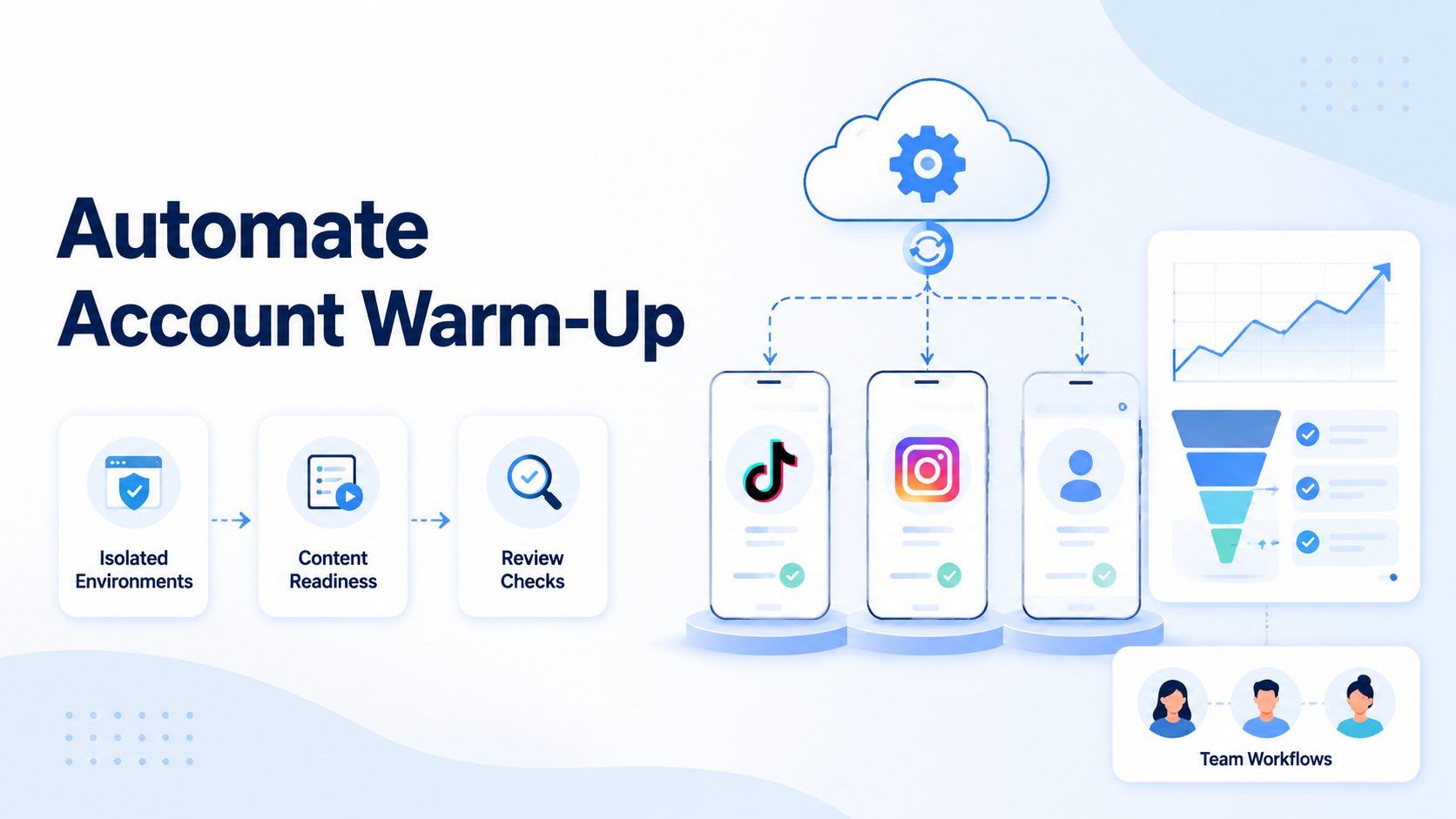
Mobile workflows become relevant when the team needs app-based execution. Some social, messaging, marketplace, or customer engagement workflows depend on mobile sessions. In those cases, cloud phones and Android environments can provide a controlled mobile lane.
For the broader concept, Moimobi's guide to what is a cloud phone explains how remote Android environments work. The point for founders is practical: a cloud phone is one possible execution environment, not the whole strategy.
Official automation documentation also supports the need for structured execution. The W3C WebDriver standard defines remote browser control concepts. Playwright documents browser automation through contexts and pages. Android Enterprise documentation explains managed Android concepts that matter when teams need device administration boundaries.
Sources:
Key Benefits and Use Cases
The first benefit is reduced context switching. A founder can review an exception queue instead of manually checking every inbox, dashboard, and account. This does not remove responsibility. It changes the founder's role from operator to reviewer for defined lanes.
The second benefit is cleaner delegation. Contractors, part-time operators, and AI workers can share a workflow if the process has roles, accounts, permissions, and logs. Without those boundaries, delegation often becomes a long chat thread.
Use cases usually fit into four groups:
- Growth operations: lead research, competitor checks, outreach preparation, campaign follow-up.
- Customer operations: inbox triage, reply drafts, support tags, follow-up reminders.
- Content operations: caption variants, publishing preparation, asset checks, task queues.
- Back-office operations: dashboard checks, spreadsheet updates, report collection, status notes.
A safer rollout avoids the most sensitive workflow at the start. A pricing dispute, angry customer, or legal issue is not a good first AI employee task. Begin with repeated preparation work, then add execution only where the review path is clear.
How to Get Started with AI Employee Platform for Founder-Led Teams
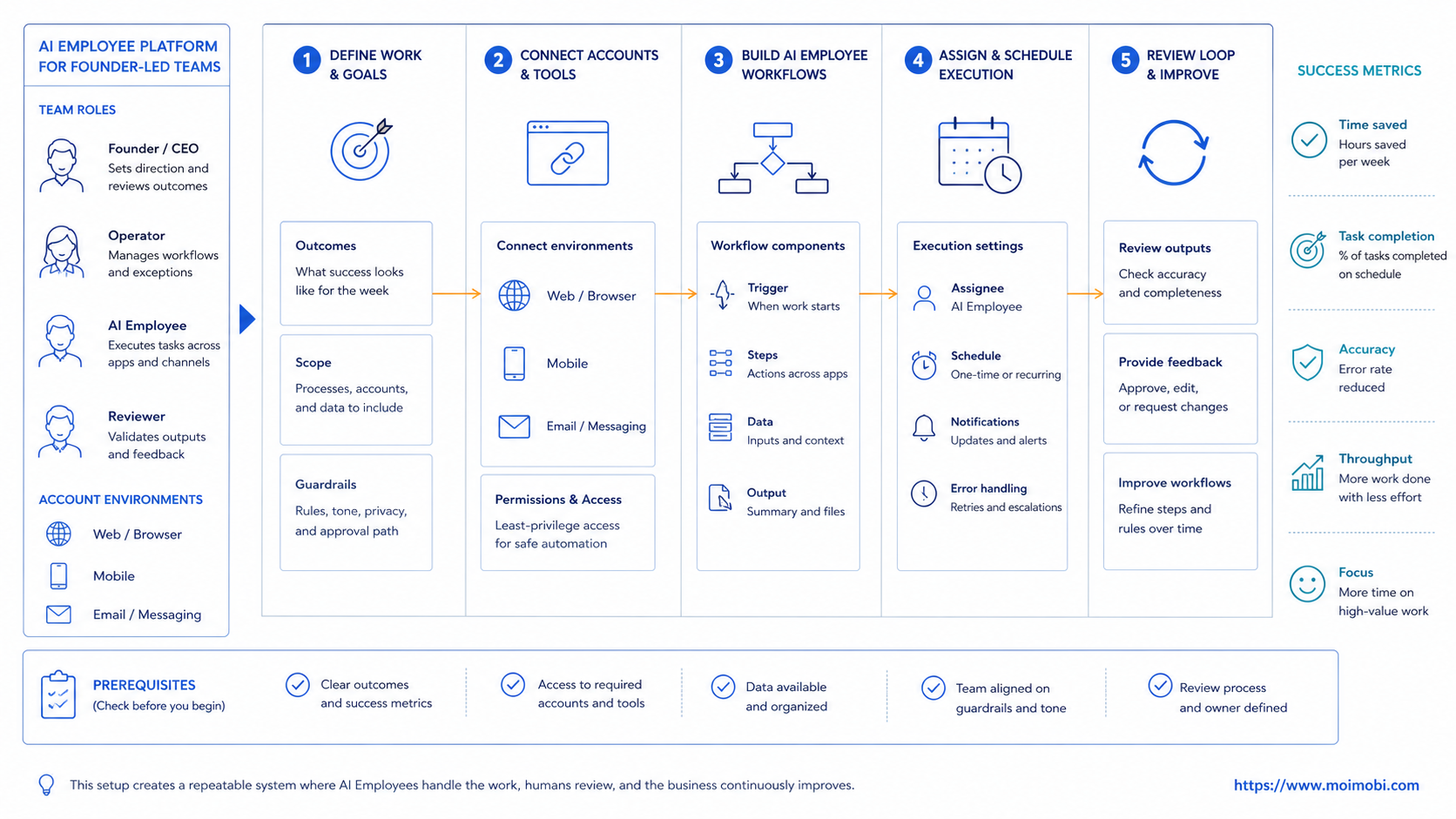
The safest starting point is a task that already happens every day and already has a rough process. If the founder cannot explain the task in five steps, the AI worker will struggle to execute it cleanly.
- List recurring founder tasks. Write down tasks repeated daily or weekly across sales, support, marketing, and reporting.
- Choose one narrow lane. Pick lead research, inbox triage, content preparation, or monitoring before selecting broader automation.
- Define the execution environment. Assign a browser profile, mobile workspace, cloud phone lane, or dashboard access path.
- Write the task protocol. Define trigger, input, action, output, approval rule, and stop condition.
- Run in review mode. Let the AI worker prepare, classify, or execute low-risk steps while the founder approves sensitive outputs.
- Measure friction removed. Track completion, corrections, exceptions, and time recovered.
- Expand only by evidence. Add another lane after the first workflow becomes easy to inspect.
This path keeps the founder from over-automating too early. It also creates a repeatable operating asset. Once the workflow is clear, a human contractor or AI worker can follow the same lane with less explanation.
Teams with mobile-heavy work can compare the pilot against Moimobi's mobile automation product area. Teams focused on social workflows can also review the social media marketing use case.
Success Metrics and Review Loop
A founder-led team should measure whether the platform reduces attention load. More completed tasks are useful only when they do not create more correction work.
Track these metrics during the first pilot:
- Completion rate: how many assigned tasks reach the defined finish state.
- Founder review time: how long the founder spends approving or correcting outputs.
- Exception rate: how often the worker stops, fails, or escalates.
- Handoff clarity: whether the next action is obvious from the log.
- Account-environment accuracy: whether the worker used the correct account or workspace.
- Revenue-adjacent impact: whether the workflow improves lead follow-up, response speed, or campaign readiness.
Review the pilot weekly. Keep the workflow if it saves founder attention and produces clear logs. Pause it if exceptions repeat. Redesign it if the founder still needs to explain every step.
The best signal is inspectability. A founder should be able to open the run log and understand the task, environment, result, and next action without reconstructing the entire workflow from memory.
Keep the first pilot small enough to review in one sitting. A useful weekly review can be simple: read five completed runs, inspect three exceptions, compare the original task protocol with the actual output, and decide one change for the next week. This gives the founder a practical operating rhythm instead of a vague feeling that automation is either working or failing.
Common Mistakes to Avoid
The biggest mistake is asking for a digital chief of staff on day one. That sounds attractive, but the role is too broad for a first workflow. A founder-led team needs narrow execution lanes before it can combine them into a larger operating system.
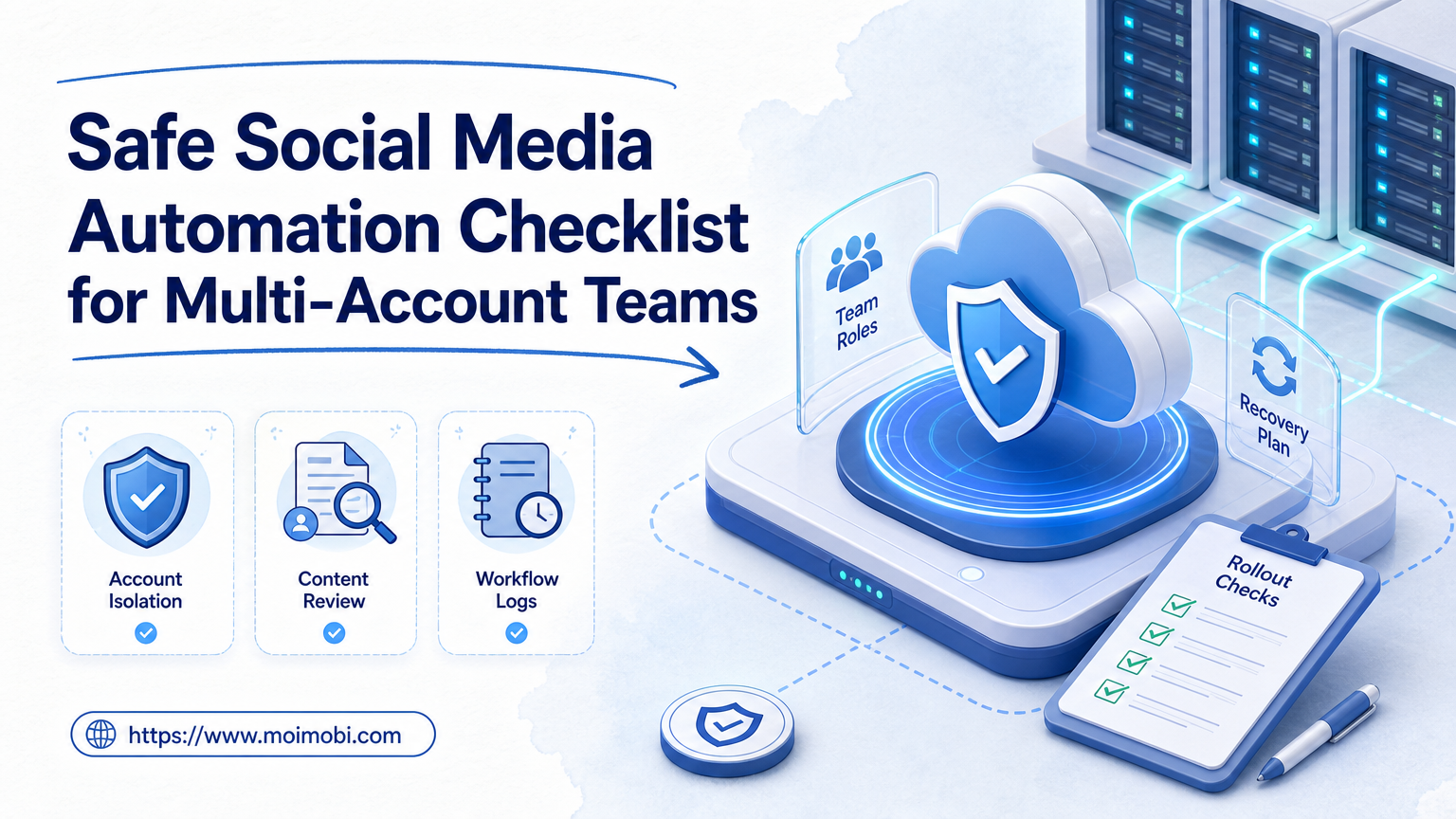
Another mistake is using AI workers without account boundaries. If the same session handles multiple accounts, handoff and audit become harder. Separate browser profiles, mobile environments, or account workspaces keep the workflow easier to inspect.
Founders also overuse automation on sensitive communication. Customer complaints, refunds, legal questions, public controversy, and pricing negotiations should keep human review. AI can prepare context and draft options, but the founder or owner should decide.
The final mistake is skipping the boring metrics. A founder may feel that AI is saving time, but the logs may show high correction load. Measure the workflow before expanding it across more accounts.
Fit and Not-Fit Boundaries
This platform fits founder-led teams that already repeat digital tasks across tools and accounts. Strong candidates include lead research, reply triage, content preparation, competitor monitoring, dashboard checks, and report collection.
It is a weaker fit when the company has no repeated process, no account structure, or no clear approval rule. A platform can still help with drafting and summaries, but execution automation will be hard to inspect.
Use a simple boundary: automate the repeatable lane, not the founder's judgment. That keeps the system useful without turning every business decision into an automation task.
Frequently Asked Questions
What is an AI employee platform for founder-led teams?
It is a platform that assigns AI workers to repeatable tasks such as research, inbox triage, content preparation, monitoring, and reporting. The platform should include execution environments, review rules, and logs.
Is this different from AI employee software?
The terms overlap. A platform usually implies broader workflow execution, account environments, worker roles, records, and review paths. Software may describe a narrower assistant or task tool.
What should a founder automate first?
Choose a task that repeats often and has low downside. Lead research, content preparation, and monitoring are safer first lanes than pricing, complaints, or legal communication because the founder can review the output before it affects a customer relationship.
Does a founder-led team need browser automation?
Many founder-led teams rely on browser-based tools. CRM, dashboards, forms, inboxes, spreadsheets, and publishing tools are common browser workflow targets.
When does mobile execution matter?
Mobile execution matters when the workflow depends on app-only screens, mobile account sessions, or Android environments. Not every task needs it.
Can AI workers replace an operations hire?
They should not be evaluated that way at first. A better target is removing repeated founder work and making handoffs cleaner. Human operators may still be needed for judgment, relationships, and sensitive cases.
How many workflows should a founder start with?
Begin with one workflow. Expand only after completion rate, correction load, exceptions, and logs show that the workflow is stable enough to repeat.
How does Moimobi fit this use case?
Moimobi connects AI-assisted workflows to browser and mobile execution environments. That makes it relevant for founder-led teams that need account separation, task execution, and reviewable operating records.
Conclusion
Prioritize the rollout in this order: task lane, account environment, approval rule, metrics, and expansion. That sequence keeps the AI employee platform tied to real work instead of becoming another tool to manage.
The next practical step is to pick one task the founder handles every week. Define the input, environment, output, review rule, and stop condition. If the workflow saves attention and produces clear logs, the team has a useful base for broader AI worker operations.