Key Takeaways
- Instagram automation software should support workflow control, not just posting.
- Multi-account teams need handoff, ownership, and review before adding more volume.
- Browser-side and app-side Instagram tasks often belong in different lanes.
- A strong pilot proves recovery before it proves scale.
Instagram automation software is software that helps teams run repeated Instagram workflows across many account lanes. In practice, that includes queue handling, moderation support, reporting review, and process handoff, not only scheduled content.
That matters because Instagram operations often spread across browser dashboards, account tools, and app-native actions. Meta’s own business and help resources show how moderation, account roles, and business workflows remain part of daily operations. See Meta Business Help Center, Instagram for Business, and Instagram Help Center.
For many teams, the real question is not “can we automate Instagram?” It is “can we keep several Instagram account lanes stable under real operating pressure?” That is why multi-account management and social media marketing workflows are usually part of the same evaluation.
What Is Instagram Automation Software for Multi-Account Operations?
In a team setting, Instagram automation software is workflow support plus execution discipline. A small tool may help with timing. A stronger operations setup also supports ownership, queue review, logging, and recovery.
That difference becomes important once many people touch the same system. Multi-account work creates more queue pressure, more review points, and more chance for mixed ownership.
Why Instagram Automation Software for Multi-Account Operations Matters
Instagram workflows usually drift before they visibly fail. A team may still publish on time while moderation queues slow down. Another may still answer messages while account ownership becomes fuzzy.
Good automation software reduces that drift by making repeated steps more inspectable. It gives teams a lane they can review, hand off, and restart without depending on one operator’s memory.
Key Benefits and Use Cases
The biggest benefits show up in repeatable lanes.
| Use case | Where automation helps | What still needs judgment |
|---|---|---|
| Publishing support | Queue prep and repeat steps | Final content and brand review |
| Moderation | Sorting, routing, repeated checks | Escalation decisions |
| Reporting review | Recurring collection and logging | Interpretation and action |
| Account operations | Routine checklist work | Exceptions and edge cases |
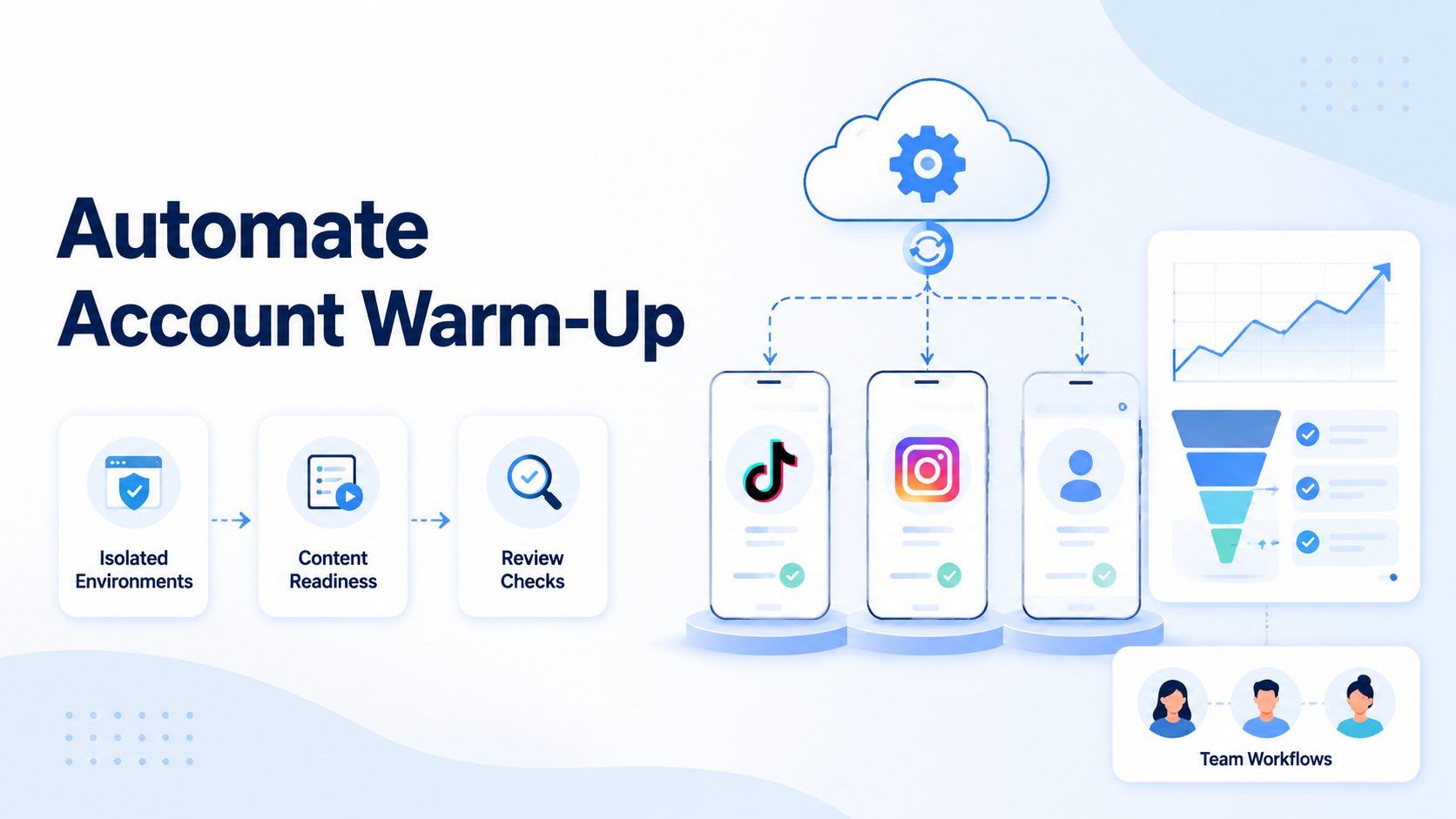
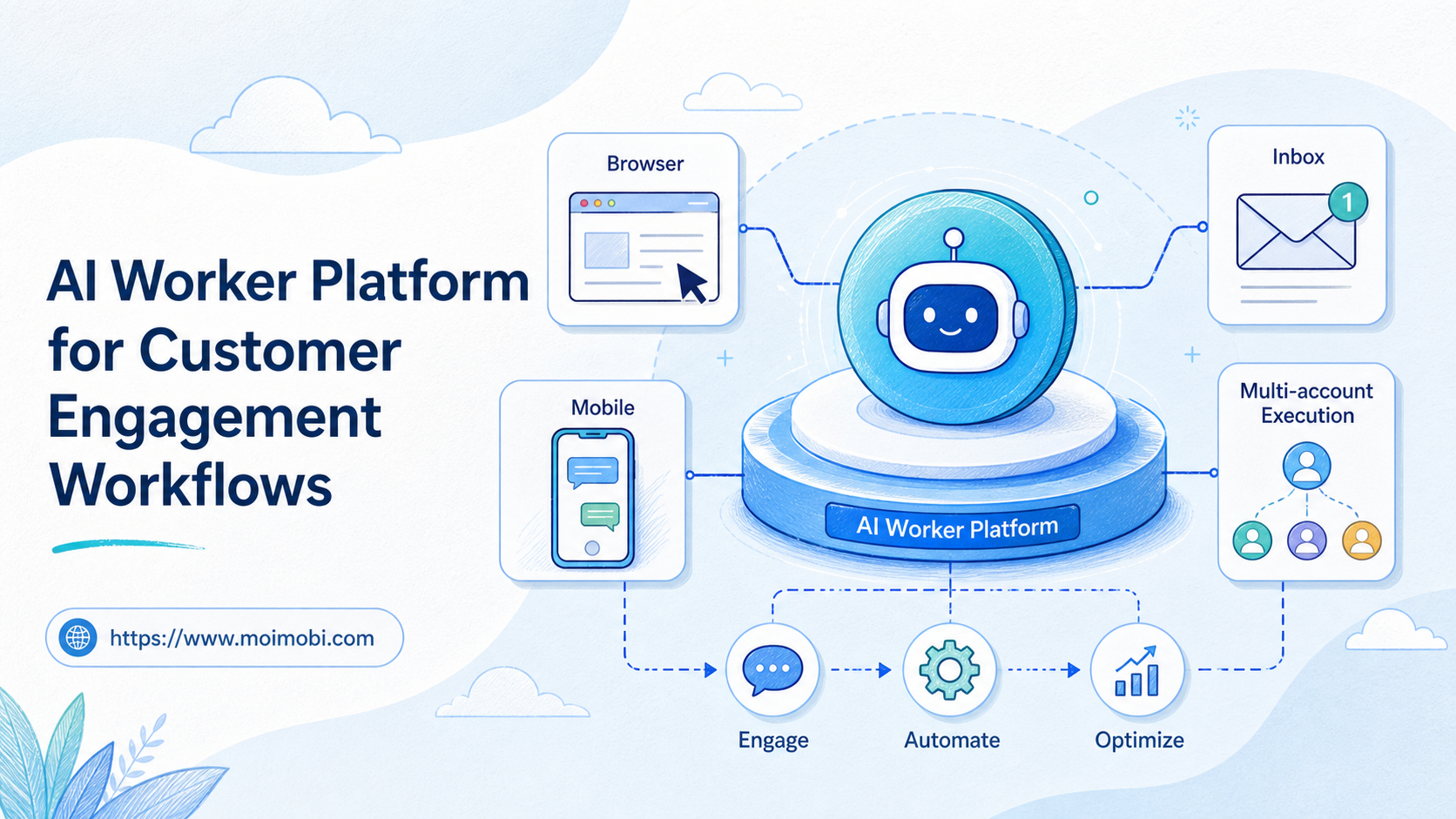
Browser-side work may still need stronger browser workspace structure, while app-side work may move toward a cloud phone lane.
How to Get Started with Instagram Automation Software for Multi-Account Operations
Start with one queue that already repeats every week.
First rollout checklist
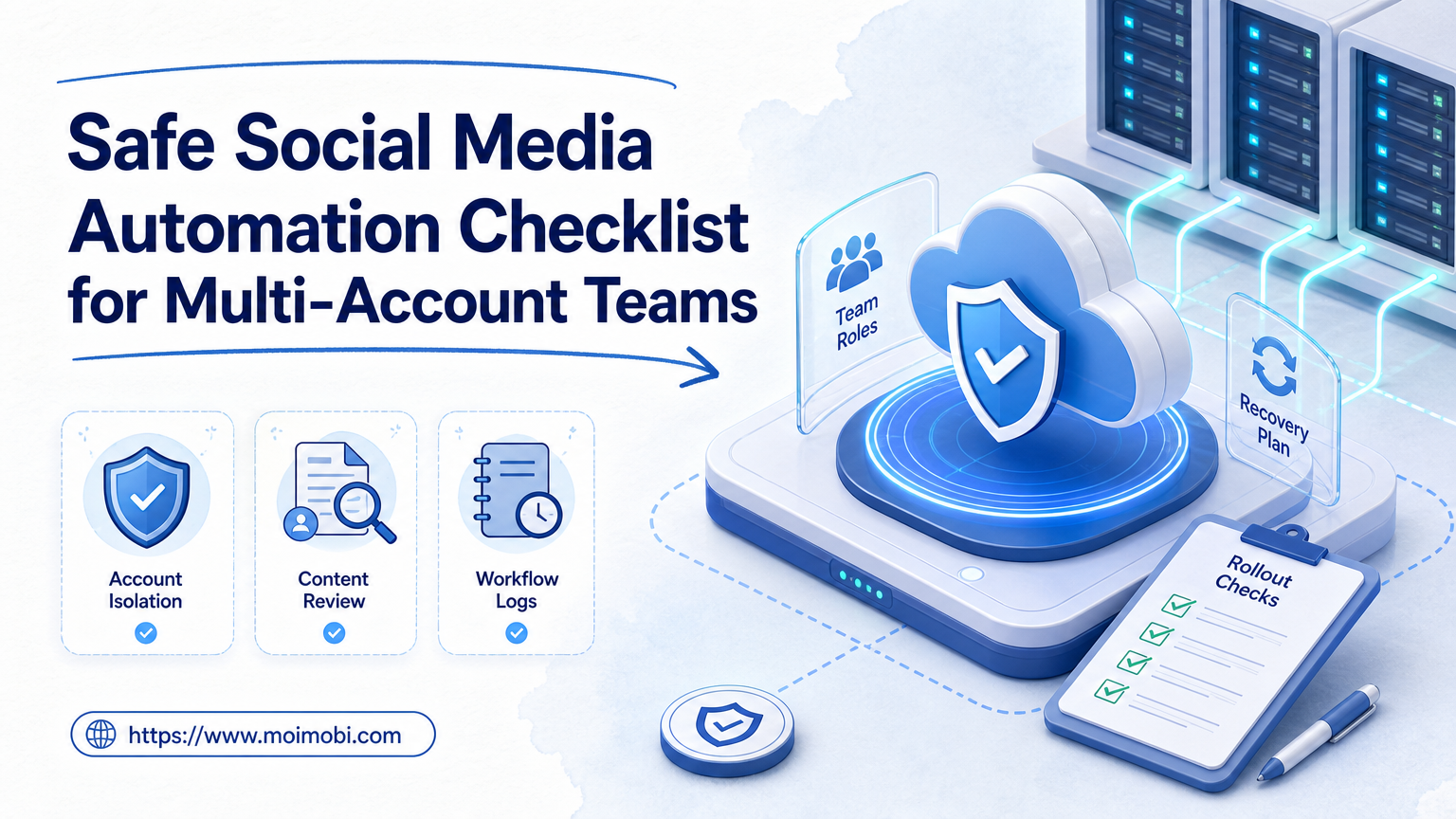
- Choose one lane: moderation, publishing prep, or reporting checks.
- Set ownership: one operator owns one account group or workflow lane.
- Define review: know where human approval or escalation happens.
- Log outputs: write every run into a shared system.
- Test handoff: have another operator resume the lane once.
The goal of the first pilot is clarity. If the test includes too many account types or too many workflow shapes, the result becomes hard to read.
Common Mistakes to Avoid
The first mistake is treating Instagram automation software as if it only needs to post content. That skips moderation, account-side checks, and business review work.
The second mistake is forcing browser-side and app-side Instagram work into one lane. In many teams, those lanes need different boundaries. The third mistake is scaling before recovery exists. A workflow should be easy to stop and restart before it is expanded.
Who It Fits and When It Is a Strong Match
This category is strongest when repeated Instagram work already spans many accounts or many roles.
Strong match
- Agencies managing several Instagram account lanes
- Brand teams with steady moderation and reporting queues
- Operators who need cleaner task handoff
- Teams combining browser and mobile execution
Weak match
- Low-volume solo workflows
- Teams with no stable review process
- Improvised workflows that change every day
- Setups with no recovery owner
Pilot Rollout, Measurement, and Recovery Checks
The first pilot should answer whether the workflow became easier to control.
Track:
- completion rate
- review delay
- wrong-account incidents
- handoff time
- recovery time
Those metrics say more than a feature list. They reveal whether the team actually reduced operational friction. If app-side work remains central, the next step may be device isolation or a mobile execution layer.
Why Instagram Teams Usually Need Separate Browser and App Lanes
Instagram work often mixes browser-side coordination with app-side execution. Reporting review, some inbox tasks, and general queue oversight may sit comfortably in the browser. Final in-app checks, specific moderation paths, and repeated mobile actions may still need an app lane.
That split is operationally useful because it keeps review and execution from colliding. One team member can inspect the queue while another finishes the app-side step. The software becomes more valuable when it supports that separation instead of forcing every task into one interface.
| Workflow lane | Typical environment | What the team should verify |
|---|---|---|
| Queue review | Browser-led | Owners, status fields, and approval state stay clear |
| Publishing preparation | Browser-led plus app confirmation | Final asset and timing checks are consistent |
| Moderation and replies | Mixed | Escalation rules are easy to follow |
| App-native account tasks | Mobile-led | The lane can pause and resume without drift |
This is where browser profiles and device lanes start to matter. The software is only one layer. The execution boundary still decides whether the workflow stays stable under real load.
What an Instagram Multi-Account Queue Should Record
A weak queue only says that a task exists. A stronger queue says who owns it, what state it is in, and what happens next. That sounds simple, but it is often the difference between a pilot that scales and one that quietly falls apart.
Minimum queue fields
- Account group: which Instagram lane this task belongs to.
- Task type: publishing prep, moderation, reporting, or account review.
- Current owner: the operator or lane responsible right now.
- Review state: pending, approved, escalated, or blocked.
- Recovery note: the exact point another operator should resume from.
If those fields are missing, the automation layer often looks more mature than it really is. The team may still be routing critical work through side messages and ad hoc memory.
What a Pilot Review Should Decide After One Week
After one week, the team should be able to decide whether the lane is ready for more accounts, whether it needs tighter boundaries, or whether a part of the workflow should remain manual. That decision should come from operating evidence, not from the feature sheet alone.
The review usually works best when it stays narrow:
- identify the slowest step in the queue
- identify the most common manual takeover reason
- identify the account group with the most exceptions
- decide whether the next fix belongs in the browser lane or the mobile lane
This keeps the pilot practical. A good first review does not try to redesign the whole stack. It decides the next operating fix with enough evidence to act.
Where Instagram Teams Usually Need Stronger Boundaries
The need for stronger boundaries often appears before the team says it out loud. A reviewer may open the wrong account lane. Another operator may finish a moderation step without leaving a recovery note. A manager may ask why the queue moved slower this week and find that nobody owns the answer. Good software helps expose those weak points early.
| Boundary problem | What it looks like | Better operating rule |
|---|---|---|
| Mixed ownership | Two people touch the same account lane without a clear handoff | Keep one active owner per lane at a time |
| Weak review notes | The next operator does not know what changed | Require a restart note before handoff |
| Queue drift | Status labels no longer match the real state | Review blocked items on a fixed schedule |
| Lane confusion | Browser tasks and app tasks get mixed together | Split review work and app execution work |
These rules are not glamorous, but they are usually what turns Instagram automation from a useful tool into a repeatable operating system.
A Monthly Expansion Plan Should Be Small and Evidence Based
The safest way to expand Instagram automation is to add one account group or one task family at a time. Expanding too many lanes at once makes it hard to tell whether the issue came from the software, the review path, or the team structure around it.
Practical monthly expansion sequence
- Start: one lane with one owner and one review checkpoint.
- Add: a second account group only after the first lane restarts cleanly.
- Measure: compare delay, exceptions, and handoff time before adding more volume.
- Pause: stop expansion when the same exception appears across several runs.
That pace may feel slower than a feature-led rollout. It is usually faster in practice because the team spends less time cleaning up invisible process mistakes later.
The Best Sign That the System Is Ready to Grow
The best sign is not a large number of completed runs. It is the ability to explain why the runs completed cleanly. A strong Instagram lane has a clear owner, a visible review state, and a restart note that another operator can trust. When those conditions hold for more than a few cycles, the team usually has enough evidence to expand.
Growth should still be selective. Add the next account group only when the current lane no longer depends on one person's memory. That is the point where software, process, and execution boundary start working as one system instead of three separate pieces.
Frequently Asked Questions
What does Instagram automation software include for teams?
Usually queue support, repeated workflow handling, logging, and review structure.
Is it only for posting?
No. Posting is only one part of multi-account operations.
When should a team evaluate this category?
When repeated Instagram tasks already span several accounts or several operators.
Does it replace cloud phones or browser profiles?
Not necessarily. Those may still be part of the broader execution stack.
What is the biggest rollout risk?
Scaling before ownership and recovery are defined.
What should the first pilot automate?
A narrow repeated lane such as moderation routing or publishing preparation.
What should a team evaluate next?
Check whether the workflow needs stronger browser workspace control or a mobile execution lane.
Conclusion
Instagram automation software for multi-account operations should make the workflow easier to own, review, and restart. Start with one clear lane, prove recovery and handoff, and scale only after the process becomes easy to inspect.