Key Takeaways
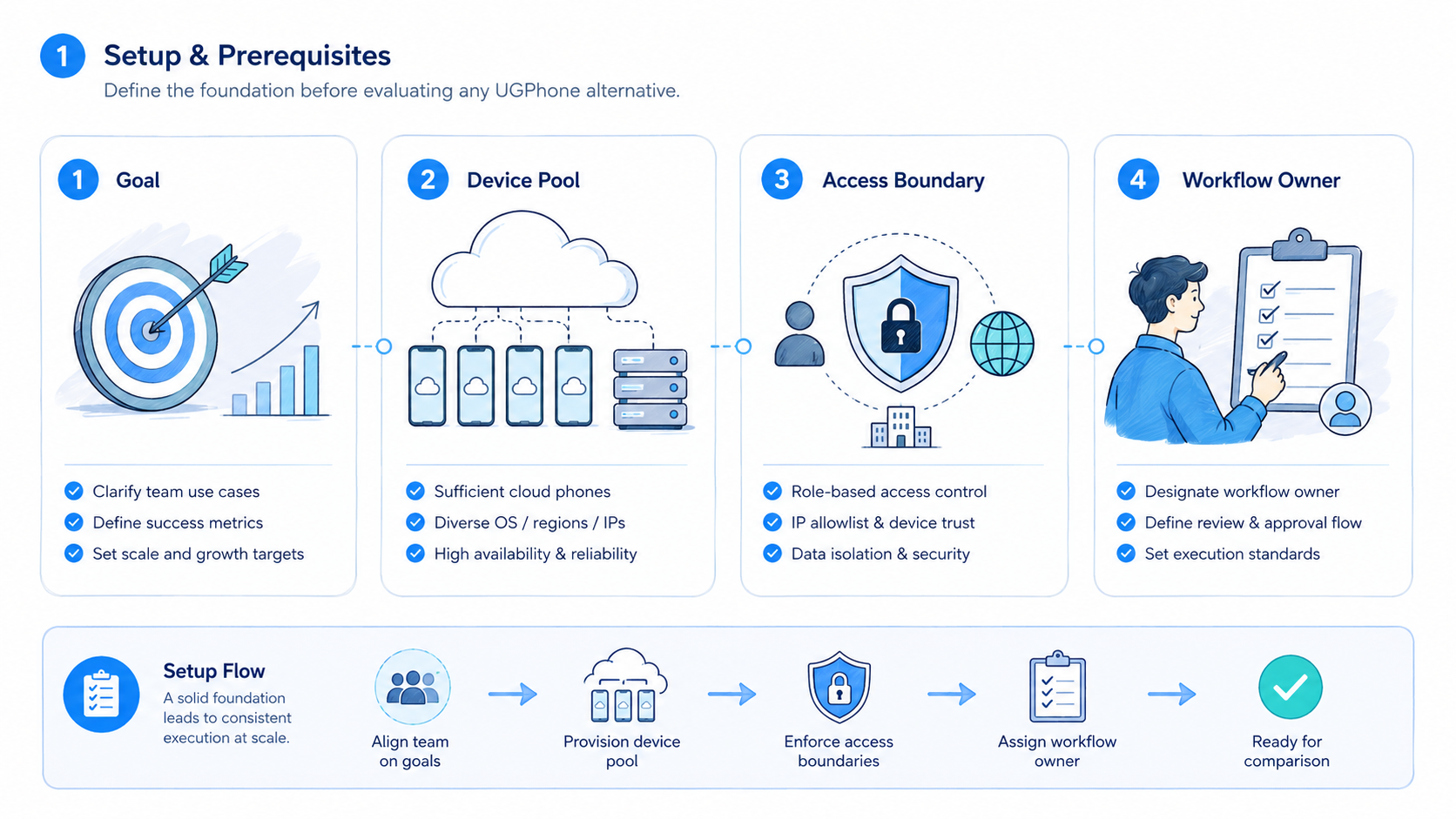
- Start with the workflow
- A strong UGPhone alternative should be judged by team control, not only by remote device access or a low monthly phone price
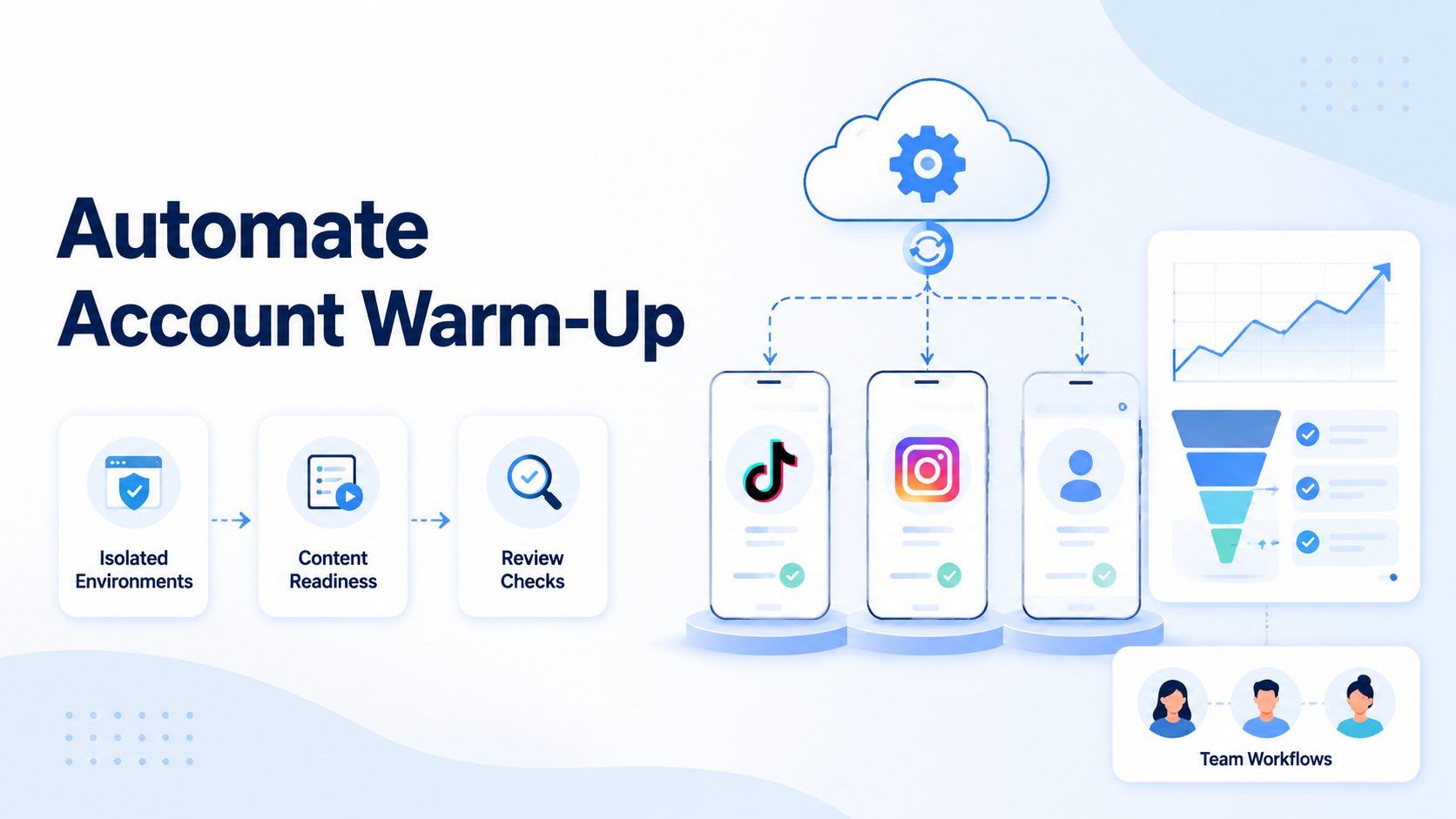
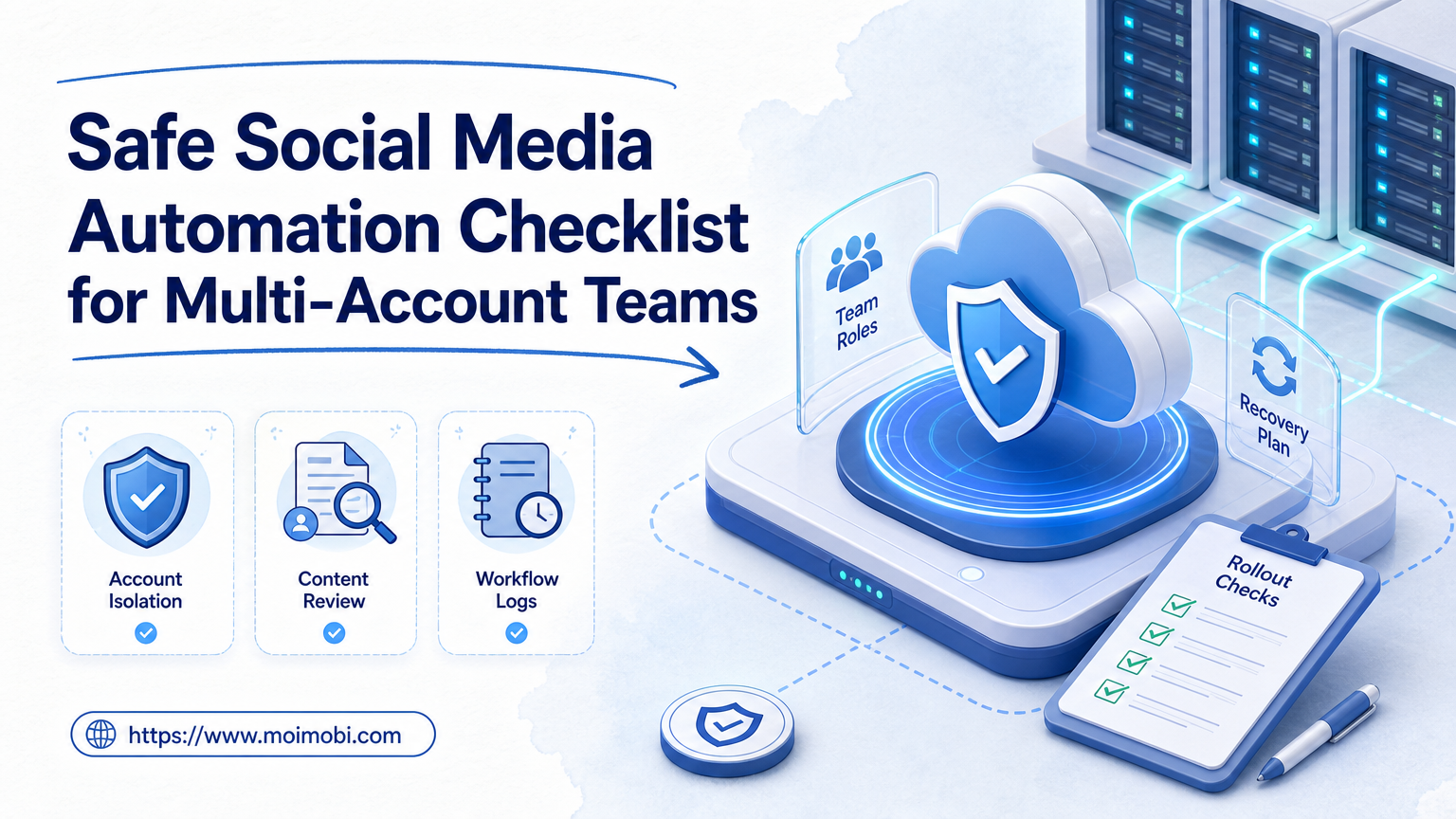
- Multi-account teams need account lanes, ownership, review notes, recovery checks, and repeatable mobile execution that can survive handoffs between operators
- Moimobi is a fit when teams need cloud phones as part of a broader operations workspace
A UGPhone alternative is a cloud phone or mobile execution platform that can replace or complement UGPhone for remote Android workflows.
For multi-account teams, the best choice is usually the option that gives cleaner account control. Remote access is only the first layer. Teams also need a way to assign accounts, separate app sessions, review work, and recover when a mobile workflow needs human attention.
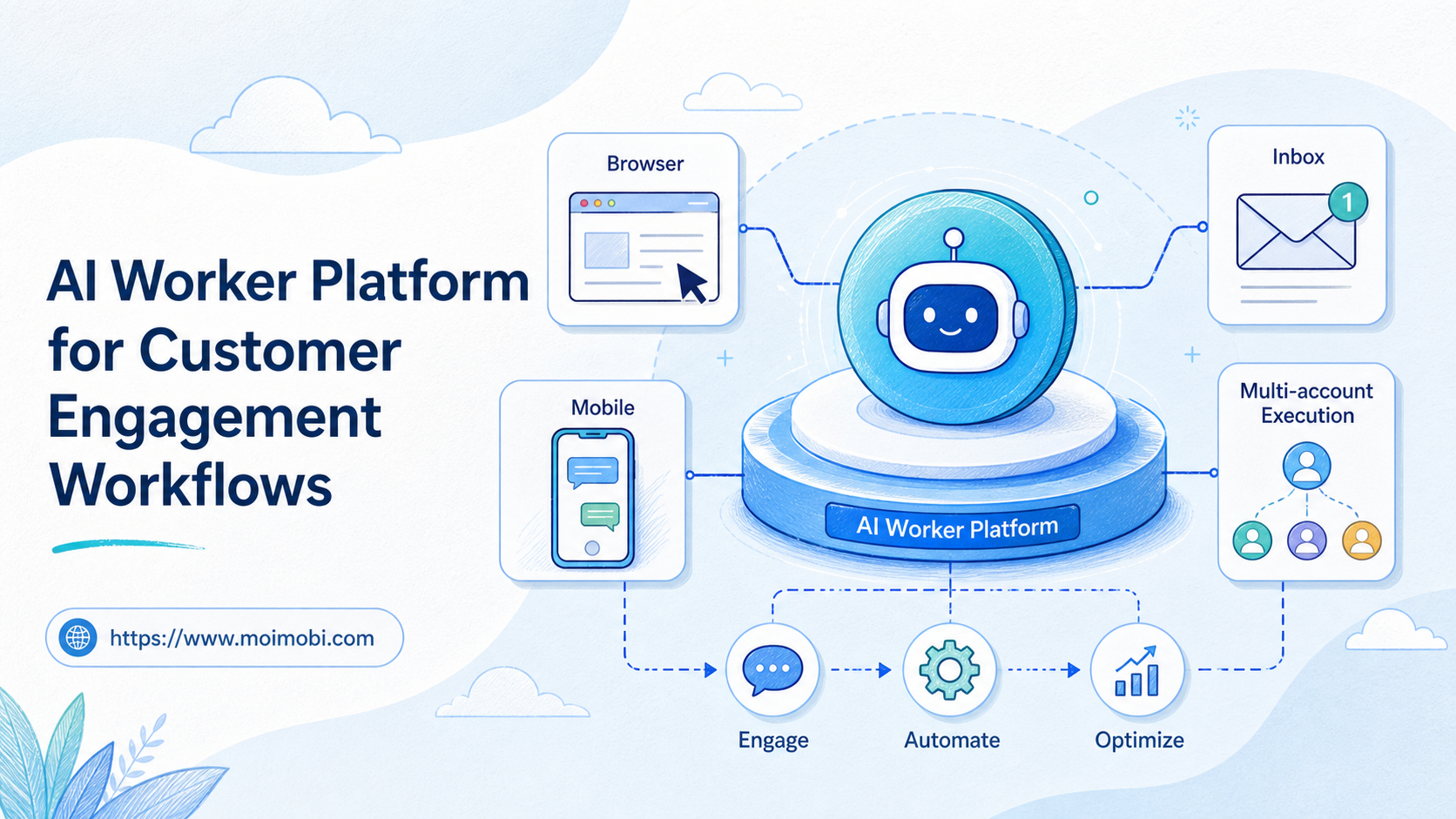
Moimobi is positioned for teams that treat cloud phone work as execution infrastructure. It connects cloud phones with account workspaces, mobile automation, and multi-account management, so the selection question becomes practical: which platform helps your team run daily mobile work with the least confusion?
A Practical Comparison Framework for a UGPhone Alternative
Do not start by comparing only device specs. For a team, the real cost of a cloud phone stack appears in daily operations: assignment, handoff, review, and troubleshooting.
Use this comparison matrix before choosing:
| Selection Area | What to Check | Why It Matters |
|---|---|---|
| Account lanes | Each account maps to a clear phone lane | Prevents mixed ownership |
| Team access | Operators and reviewers work from one shared workspace without copying notes into chat | Reduces handoff gaps |
| Workflow notes | Can the team record tasks, issues, and outcomes? | Makes work auditable |
| App execution | Support for the exact apps, login states, and review steps your team actually uses each week | Avoids tool mismatch |
| Recovery path | Fast inspection for prompts and failed steps | Keeps exceptions visible |
| Automation fit | Repeatable steps run with review rules, limits, and clear fallback behavior | Helps scale routine work |
The best UGPhone alternative for one team may not be the best for another. A solo user may care most about device access and price. A social media agency may care more about client lanes, owner notes, and repeatable workflows.
Use Case Fit Before Feature Fit for a UGPhone Alternative
Feature lists can be misleading when the team has not defined the workflow. A platform may look strong on paper but still fail the daily use case.
Start with the work you need to run:
- Social media accounts: posting checks, comment review, inbox triage, and trend research
- Messaging apps: customer replies, lead follow-up, and support handoff
- E-commerce apps: store checks, product research, order notes, and customer updates across mobile-first seller tools
- Agency operations: separate client lanes, reviewer roles, and issue logs
- AI-assisted work: draft preparation, classification, research, routing, and review before anything reaches a customer
This use-case filter matters because a cloud phone is not a strategy by itself. It is only the mobile environment; the operating system around it determines whether the team can manage accounts cleanly, explain what happened, and repeat the next run.
Google's guidance on helpful content is written for publishers, but the principle also applies to operational output that reaches customers or public channels. It should be useful, reviewed, and made for people. See Google's Search Central guidance on creating helpful content.
Operational Trade-Offs and Team Workflow
Cloud phone alternatives differ most in operating model. Some are device rental. Others are closer to workflow infrastructure for teams that need repeatability.
For a multi-account team, the second model is usually easier to manage. The team needs a record of which account belongs to the device, which operator owns the next action, and which tasks are allowed.
- Solo use
- Short-term access
- Simple app testing
- Few handoff needs
- Team operations
- Many account lanes
- Review and approval steps
- Repeatable mobile tasks
Moimobi fits the workflow-first side. It should not be evaluated only as a phone rental tool. The stronger comparison is whether it helps the team run cloud phones, account separation, and task execution from one operating model.
Setup Cost, Ongoing Cost, and Management Overhead
Price matters, but management overhead often decides the real cost. A lower monthly device cost can become expensive if the team spends hours matching accounts to phones, finding notes, and fixing unclear handoffs.
Look beyond the subscription page:
| Cost Type | What to Ask |
|---|---|
| Setup time | Time required to create account lanes and owner notes |
| Training time | Whether operators can understand the workflow without custom scripts, special browser habits, or long internal docs |
| Review time | Speed of inspecting drafts, replies, and issues |
| Recovery time | Behavior when an app prompt appears |
| Scaling time | How hard is it to add the next account group without duplicating messy setup work? |
Google Play's policy center shows that app ecosystems have rules and review expectations. Any team running mobile workflows should include policy review in its operating cost. See the Google Play Policy Center.
A practical buyer should also run a small pilot. Test one account group, one workflow, and one review owner before moving the full operation.
UGPhone Alternative Decision Scorecard
A scorecard makes the comparison less emotional. It also prevents the team from choosing a tool because it looks familiar or cheap during the first test.
Score each option from 1 to 5:
| Criterion | What a 5 Looks Like |
|---|---|
| Account mapping | Every account has a clear phone lane and owner |
| Team handoff | Operators and reviewers can see the same task notes without asking where the latest update lives |
| Workflow fit | Daily app tasks can run without custom rescue work |
| Review control | Public or customer-facing actions have approval paths |
| Issue visibility | Prompts and failed steps are easy to inspect |
| Expansion path | The next account group can be added without rebuilding the setup or retraining the whole team |
Then test the highest-scoring option with a real workflow. A paper score is not enough. Ask one operator to run the task, one reviewer to inspect output, and one manager to read the issue log. If all three can understand the result, the UGPhone alternative is operationally credible.
Which Option Fits Different Teams Best
Choose based on team shape, not brand familiarity alone.
Solo app access: A lightweight cloud phone service may be enough if one person needs occasional remote Android access. Availability is the main need.
Small social media team: Look for account lanes, notes, and review rules. The team needs to know who handles comments, DMs, and posting checks before the day gets busy.
Agency or client operations team: Prioritize owner handoff, client separation, and reporting. Each client account should map to a clear lane, a known task scope, and a review path that another teammate can understand later.
E-commerce or support team: Focus on repeatable app workflows. Approval paths matter.
AI workflow team: Choose a platform that gives AI workers a controlled place to execute. The AI should run inside a defined lane with a human review path, not as an untracked assistant making invisible changes.
Moimobi is strongest when the buyer wants cloud phones inside a broader execution system. Occasional personal access is a different buying case.
Pilot Checklist Before Switching
A pilot keeps the comparison grounded. It also prevents the team from moving accounts into a system before the workflow is ready.
Use this pilot plan:
| Pilot Step | What to Confirm |
|---|---|
| Pick one account group | Choose one platform or client segment |
| Assign phone lanes | Map each account to one cloud phone ID and owner |
| Define allowed tasks | List what the operator can do, what needs approval, and what should stop immediately |
| Add issue logging | Record prompts, failed steps, unclear messages, and manual edits |
| Review the first week | Count task completion, edit rate, issue count, and recovery time across the full pilot |
| Decide with evidence | Expand only if the team can explain what happened in each lane |
Google's SEO Starter Guide is about search structure, but the same idea applies to operations: clear organization helps people and systems understand what they are managing.
Frequently Asked Questions
What is a UGPhone alternative?
It is another cloud phone or mobile execution platform that can support remote Android workflows and account operations. For teams, the practical question is not only whether the device opens; it is whether the account, task, owner, and review trail stay clear.
Is Moimobi only a cloud phone tool?
No. Moimobi positions cloud phones as one layer inside a broader execution workspace for account-based team workflows.
What should multi-account teams compare first?
Start with account lanes, owner notes, review rules, app workflow fit, and recovery checks. Specs can come later.
Should price be the main decision factor?
Price matters, but team overhead also matters. Review time, setup work, and recovery effort can change the real cost, especially when the team adds new accounts every week.
Can a UGPhone alternative support AI workers?
It can if the platform gives AI workers controlled environments, task rules, and human review paths.
When is a device-first option enough?
It may be enough for solo users, simple app access, or short-term device needs without team handoff.
When should a team choose a workflow-first platform?
Choose workflow-first when several people manage accounts, customer-facing actions need review, or mobile tasks repeat daily. That is where unmanaged device access starts to create avoidable confusion.
Conclusion
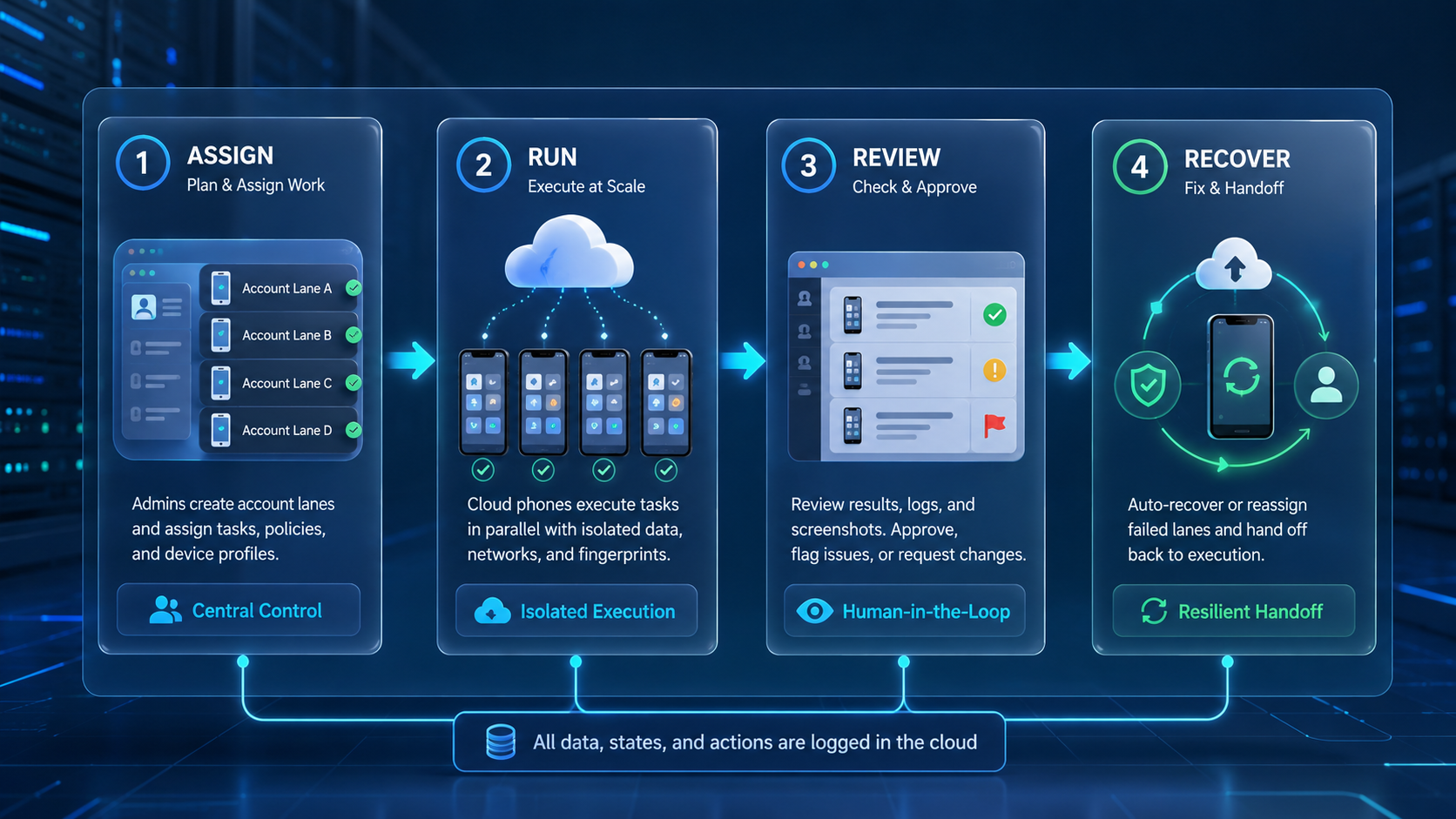
The best UGPhone alternative depends on how your team works. Device access is only the entry point; multi-account teams should compare account lanes, owner handoff, task review, workflow notes, and recovery time before they move a larger account pool.
Run a one-week pilot before switching a full account pool. If the team can assign lanes, review actions, explain issues, and repeat the workflow without confusion, the alternative is a serious fit.