Key Takeaways
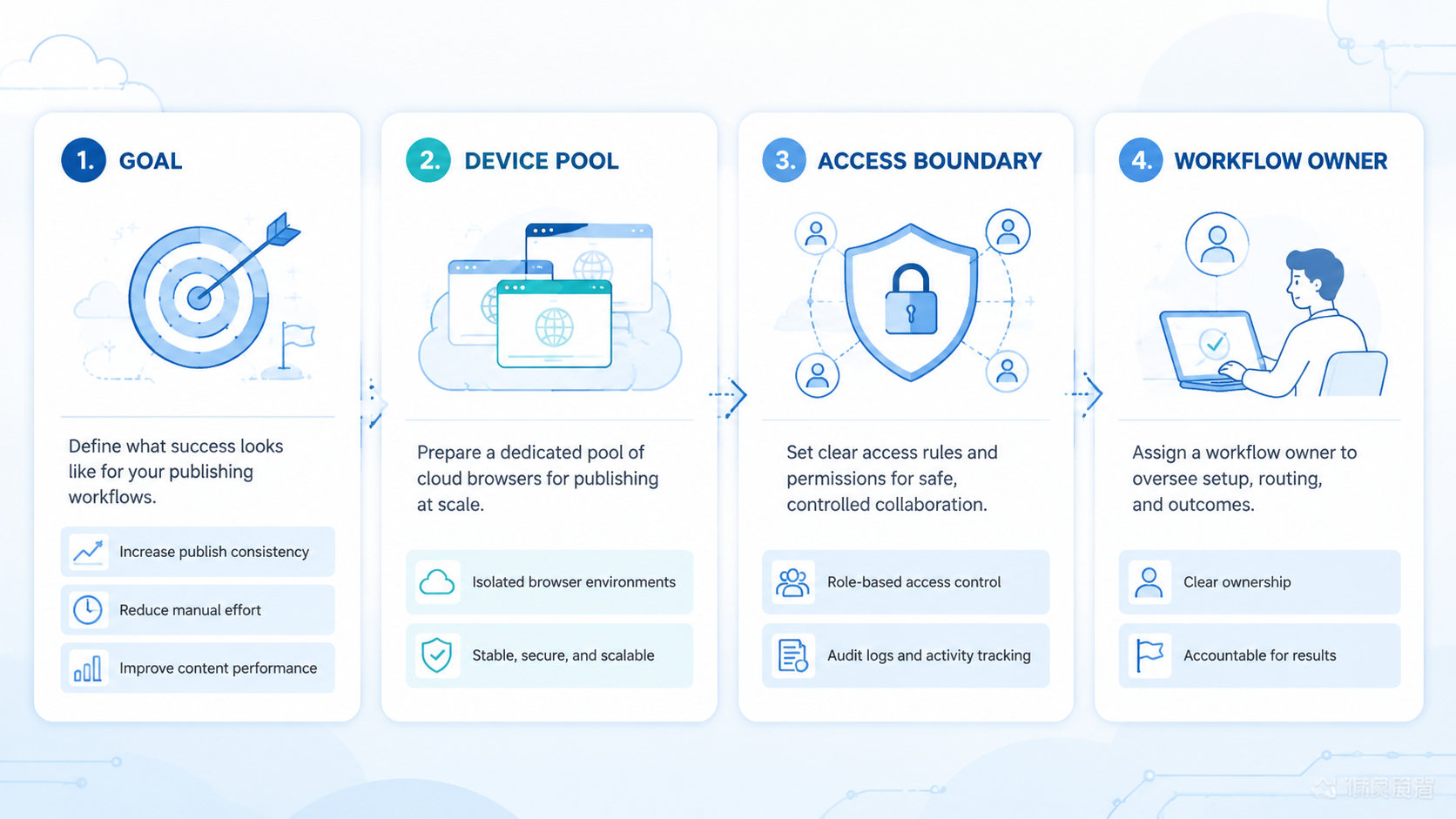
- Content publishing automation works best when teams separate drafting, approval, execution, and monitoring
- Browser and mobile tasks should be assigned by workflow need, not by habit
- The strongest social media teams measure correction rate and missed publishing steps before they chase volume
- A narrow pilot gives better signal than a broad multi-platform rollout
AI Content Publishing Automation Platform for Social Media Teams is a system that helps teams move content from plan to publish inside controlled execution environments. The useful version does more than generate copy. It also handles review, runtime routing, and post-publish checks.
Many teams already have content tools. The harder part is execution. Content may be drafted in one system, approved in another, published through browser dashboards, and verified through mobile apps or account-specific checks.
That is why an AI browser plus execution workflow matters. The platform should reduce operational drag, not just produce more draft text.
The Core Idea Behind AI Content Publishing Automation Platform for Social Media Teams and AI Browser Workflows
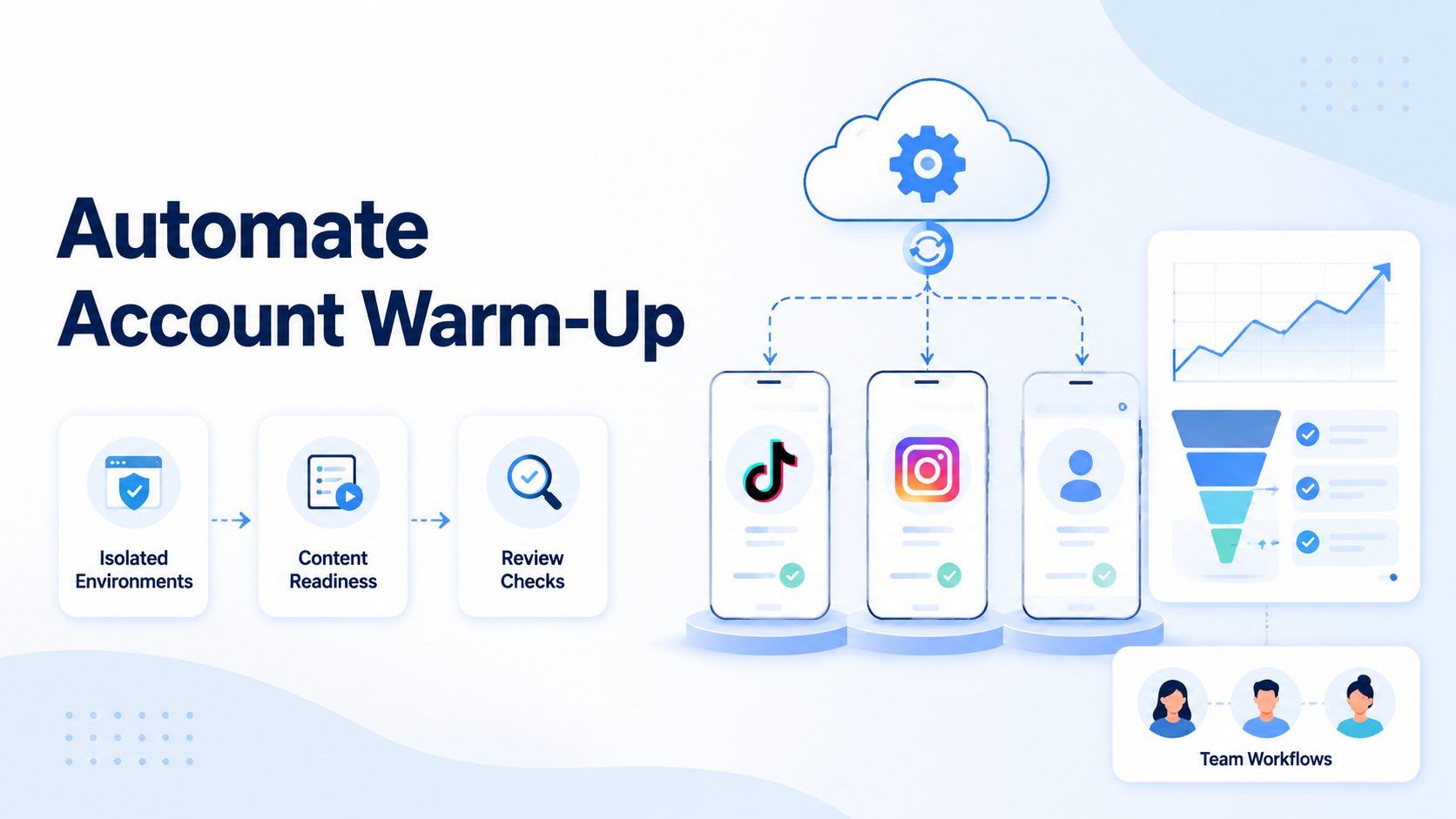
The simplest way to judge this category is to split the workflow into four parts:
- draft
- approve
- execute
- verify
Drafting is where AI usually gets most attention. Execution is where teams often lose control. Browser-based publishing still depends on logged-in sessions, explicit steps, and stable state. The W3C WebDriver standard shows that session handling is a fundamental part of browser automation. Playwright browser contexts support separate contexts for separate logged-in states, which is especially useful for account-based content workflows.
Verification also matters. Some teams need to confirm published output in apps or mobile-only surfaces. Android Enterprise treats Android devices as managed work environments, which fits the idea of a controlled mobile verification lane.
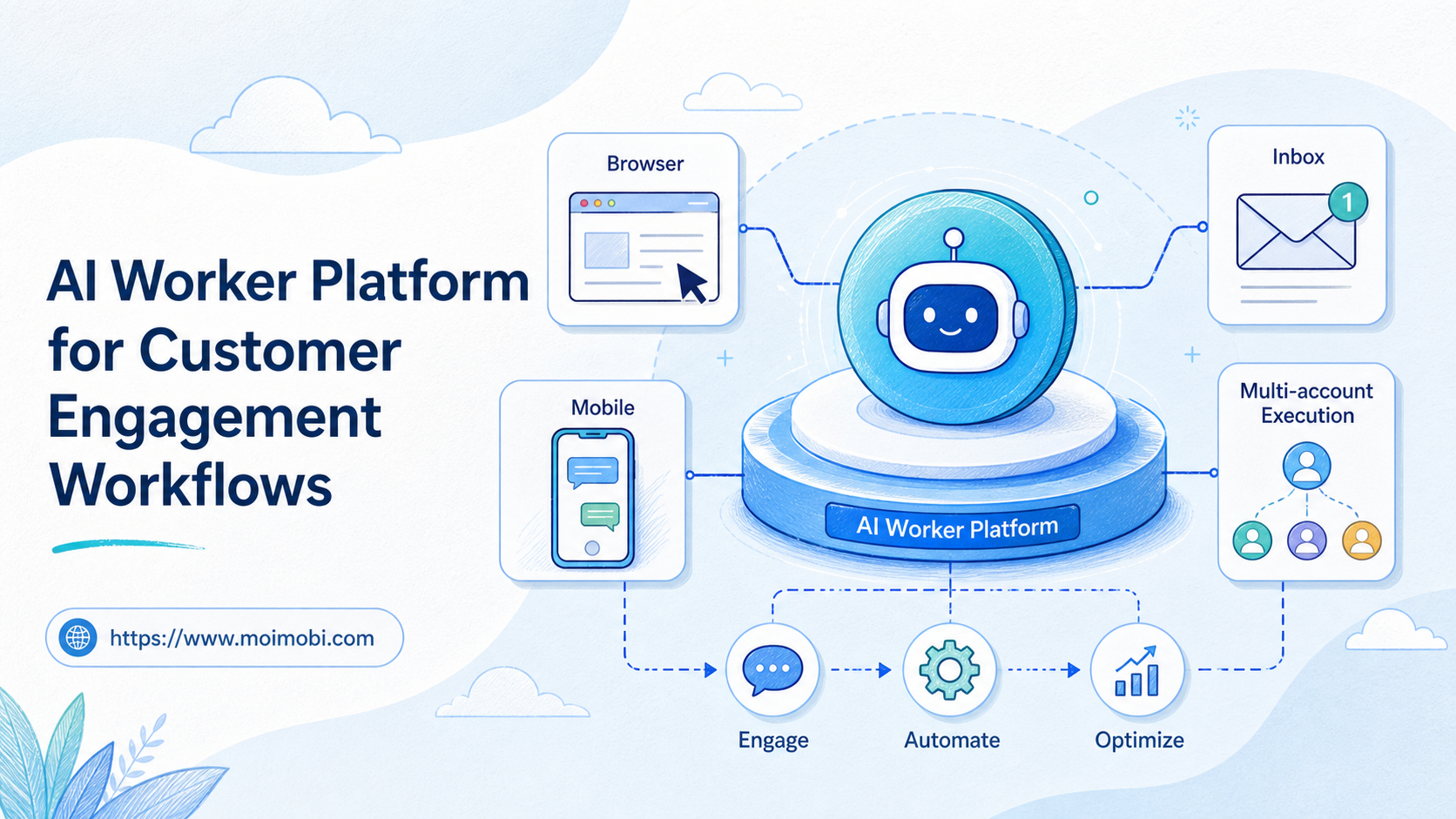
An execution platform should connect social media marketing, mobile automation, and account controls into one structured publishing flow.
Why Teams Search for This Topic and AI Browser Execution
The common myth is that content automation is mainly about writing faster. In reality, social media teams usually search this topic because the publishing process itself is messy.
Typical pain points include:
- content is drafted but not published on time
- approvals are unclear
- account-specific steps are missed
- teams cannot tell where a failed publish happened
AI browser execution matters here because web-native publishing steps still live inside dashboard tools and logged-in flows. The topic becomes urgent when a team needs reliable delivery across accounts and platforms instead of a larger pile of content drafts.
This is also why multi-account management often overlaps with publishing automation. The more accounts a team handles, the more important workflow separation becomes.
Who Benefits Most and In What Situations
This model fits teams with repeated publishing work and stable approval rules.
Strong-fit teams include:
- in-house social media teams with recurring publishing calendars
- agencies managing several client posting lanes
- community teams that publish and then verify comments or inbox reactions
- growth teams that combine posting with lightweight follow-up checks
It is a weaker fit for teams that publish rarely or where every post requires a fully custom process. The workflow needs enough repetition to justify formal routing and review.
Use this fit model:
Publishing is repeated, approval rules are known, and account scope is clear.
The team publishes often, but review rules still change too much.
Each post follows a custom path with no stable sequence to automate.
How to Evaluate or Start Using AI Content Publishing Automation Platform for Social Media Teams
Do not automate the entire publishing calendar at once. That makes failure review harder and hides process gaps.
- Choose one publishing lane. Start with one platform, one account group, or one content type.
- Map the sequence. Define draft, approval, execution, and verification steps.
- Bind the right runtime. Keep dashboard work in browser sessions and app checks in mobile environments where needed.
- Set the review gate. Decide what requires approval before publish and what can be checked after publish.
- Track corrections. Count missed steps, bad routing, and manual repairs.
- Expand slowly. Add more lanes only after the first one is easy to inspect.
If mobile checks are part of the workflow, a cloud phone layer can help the team keep verification and app-based review inside a separate environment.
Mistakes That Reduce Results
The first mistake is treating content generation as the whole workflow. Publishing problems usually come from review and execution, not from a lack of draft ideas.
The second mistake is putting every account into the same sequence. Social media teams often need different approval or timing rules by platform, client, or region.
The third mistake is skipping verification. A publish action that cannot be checked is not a strong automation lane. Teams need to confirm that the content actually reached the right place and that the post state is usable for the next step.
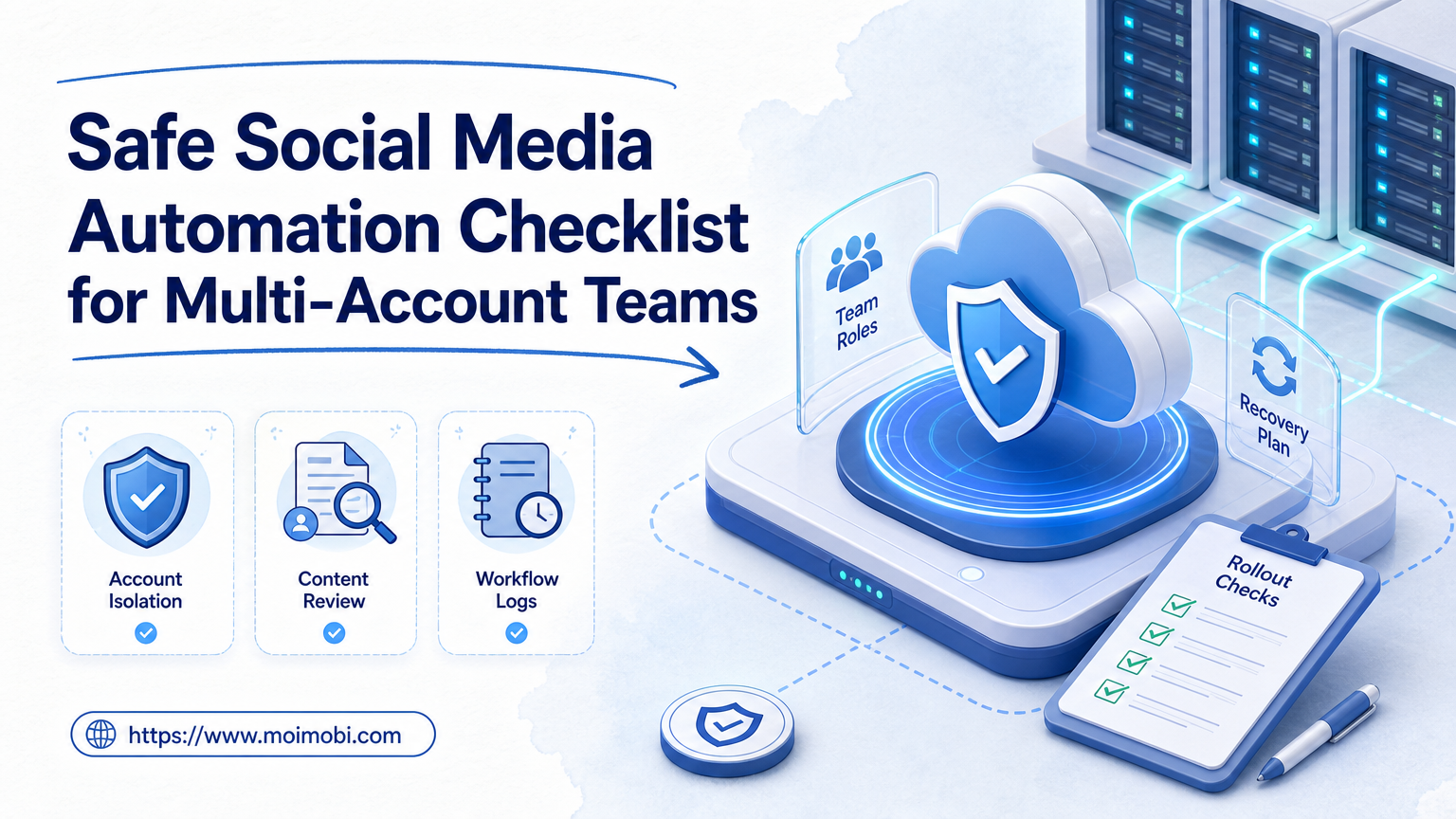
Avoid these patterns:
- no approval rule before publish
- one queue for unrelated account groups
- browser and mobile checks mixed without clear ownership
- no logging of failed or corrected publishing runs
One relevant next-step hub for publishing teams is MoiMobi resources, especially when the team is still comparing workflow designs and execution approaches.
AI Content Publishing Automation Platform for Social Media Teams Pilot Rollout, Measurement, and Recovery Review
The first pilot should be designed for inspection, not scale. One lane is enough if it reveals where the workflow really breaks.
Track a short signal set:
| Signal | Why it matters |
|---|---|
| On-time publish rate | Shows whether the workflow is dependable |
| Correction rate | Shows whether human cleanup is still too high |
| Missed verification steps | Shows where post-publish control is weak |
| Escalation time | Shows whether recovery ownership is clear |
AWS Device Farm and BrowserStack App Automate both describe automated execution in terms of repeatability and observability, which is the right mindset for a publishing pilot. Recovery should be just as explicit. If a post fails, the team should know who checks it, where the context lives, and how the lane resumes.
Frequently Asked Questions
Is this mainly a content writing tool?
No. It should cover writing support, approval flow, execution, and verification.
Why does publishing automation need browser sessions?
Many publishing steps still happen in logged-in web dashboards, so session control remains important.
When should a team add mobile verification?
Add it when post checks, inbox steps, or app-native confirmation do not work well in browser-only flows.
What should a team automate first?
Start with one repeated publishing lane that has clear timing and approval rules.
Is this useful for small social teams?
Yes. Small teams often benefit quickly because repeated publishing work consumes a large share of their time.
What metric matters more than volume?
Correction rate usually matters more because it shows whether the lane is stable enough to trust.
How do teams know they are ready to scale?
They are usually ready when the first lane has low correction cost, clear recovery rules, and few missed verification steps.
Conclusion
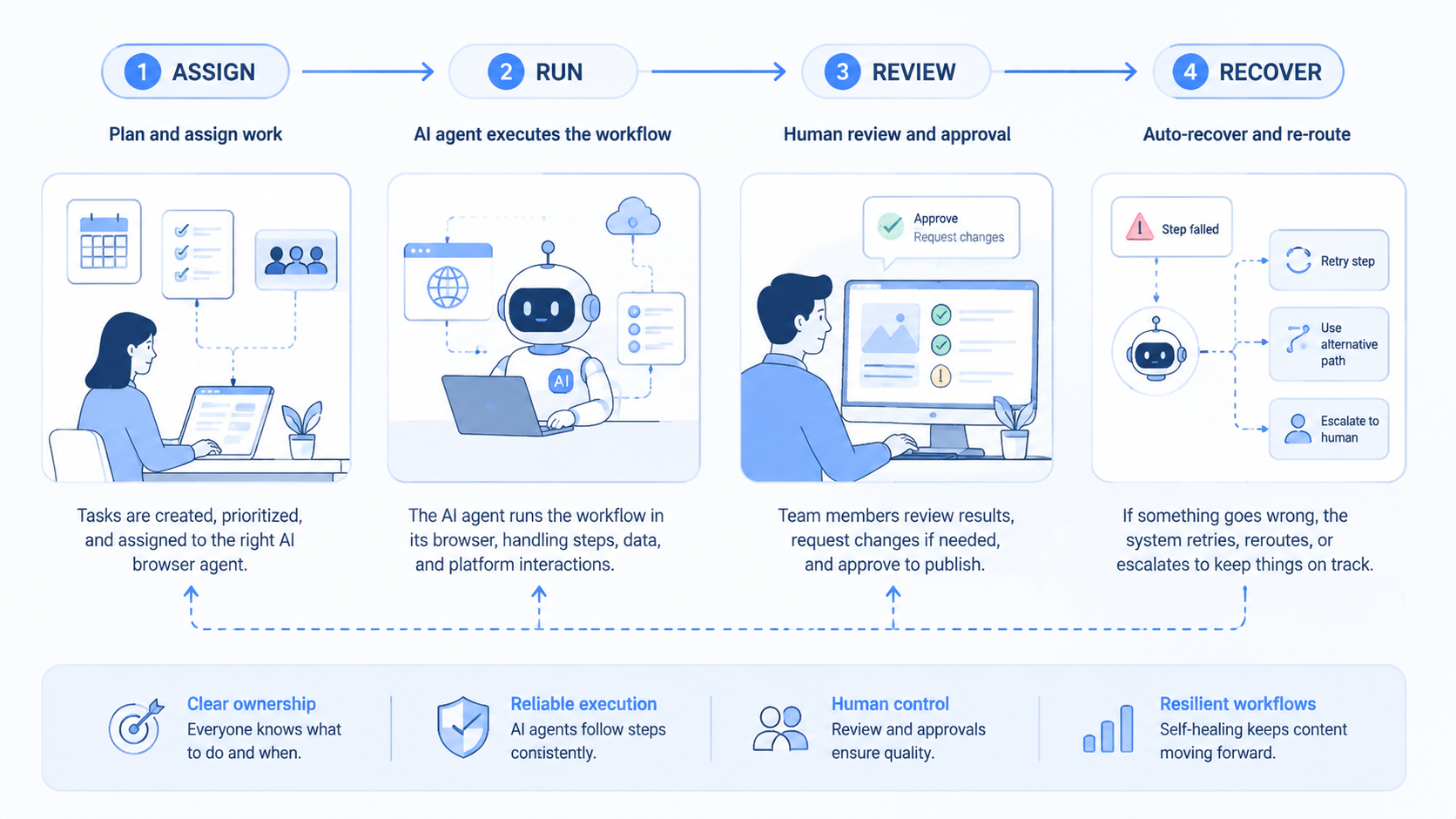
AI Content Publishing Automation Platform for Social Media Teams is most useful when it turns publishing into a controlled workflow rather than a loose series of manual steps. The real value comes from review logic, runtime choice, and dependable post-publish checks.
The next practical move is to choose one publishing lane, define draft-to-verification ownership, and inspect ten to twenty runs before adding more accounts or platforms.