Key Takeaways
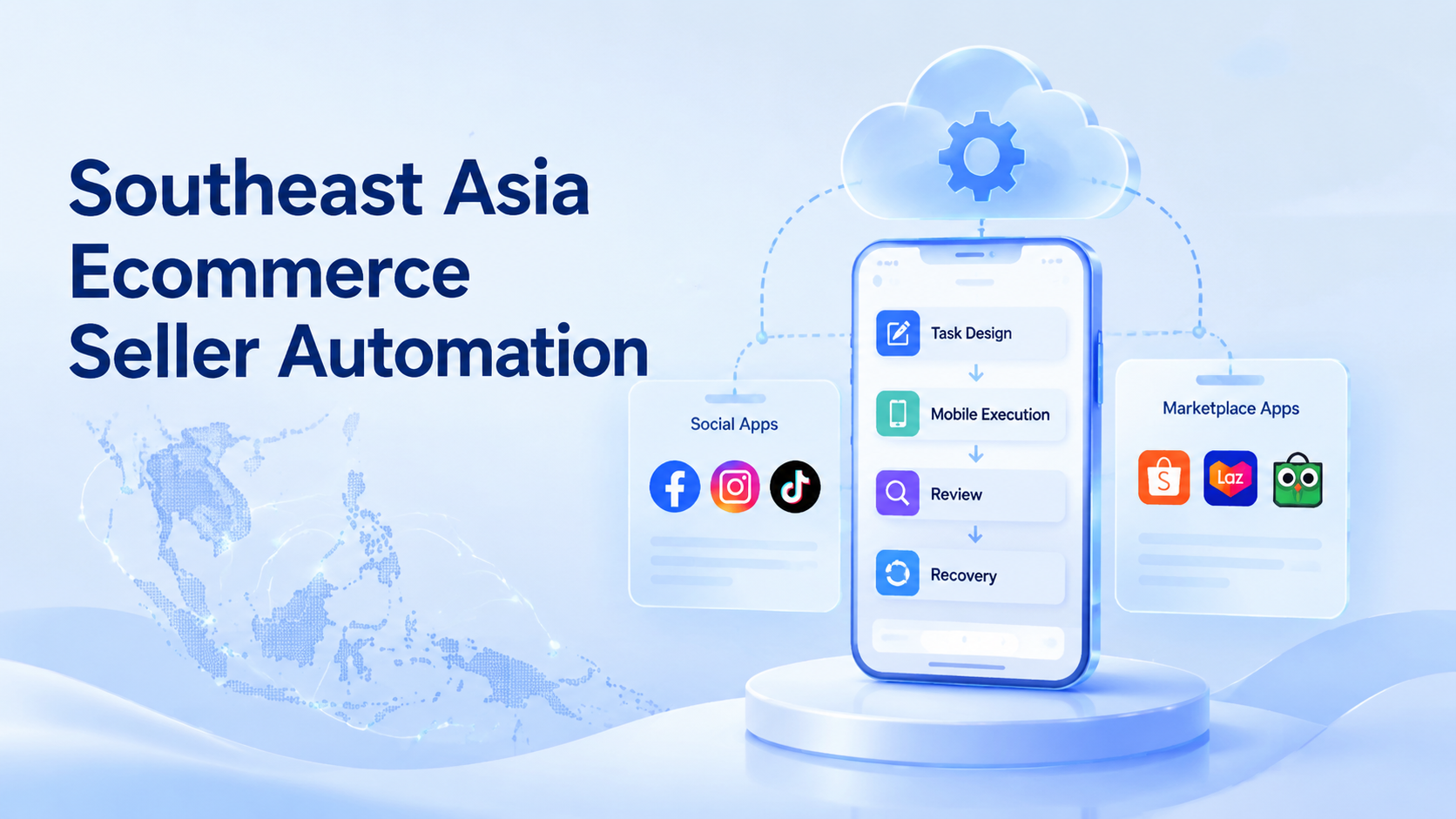
- Southeast Asia ecommerce seller automation should connect marketplace, social, mobile, and review workflows.
- API work and app-based execution should be separated before automation begins.
- A pilot should measure failed tasks, reply quality, order exceptions, and recovery time.
Southeast Asia ecommerce seller automation is the use of repeatable workflows to manage seller tasks across social channels, marketplace dashboards, and mobile apps. For cross-border teams, the goal is controlled execution: product updates, buyer replies, content checks, order status, and marketplace follow-up should be assigned, logged, and reviewed.
The region creates a specific operating problem. Sellers may use marketplace apps, social media accounts, messaging channels, and browser dashboards in the same day. A normal scheduler does not cover that full path. Teams need account workspaces, mobile execution, task rules, and recovery checks.
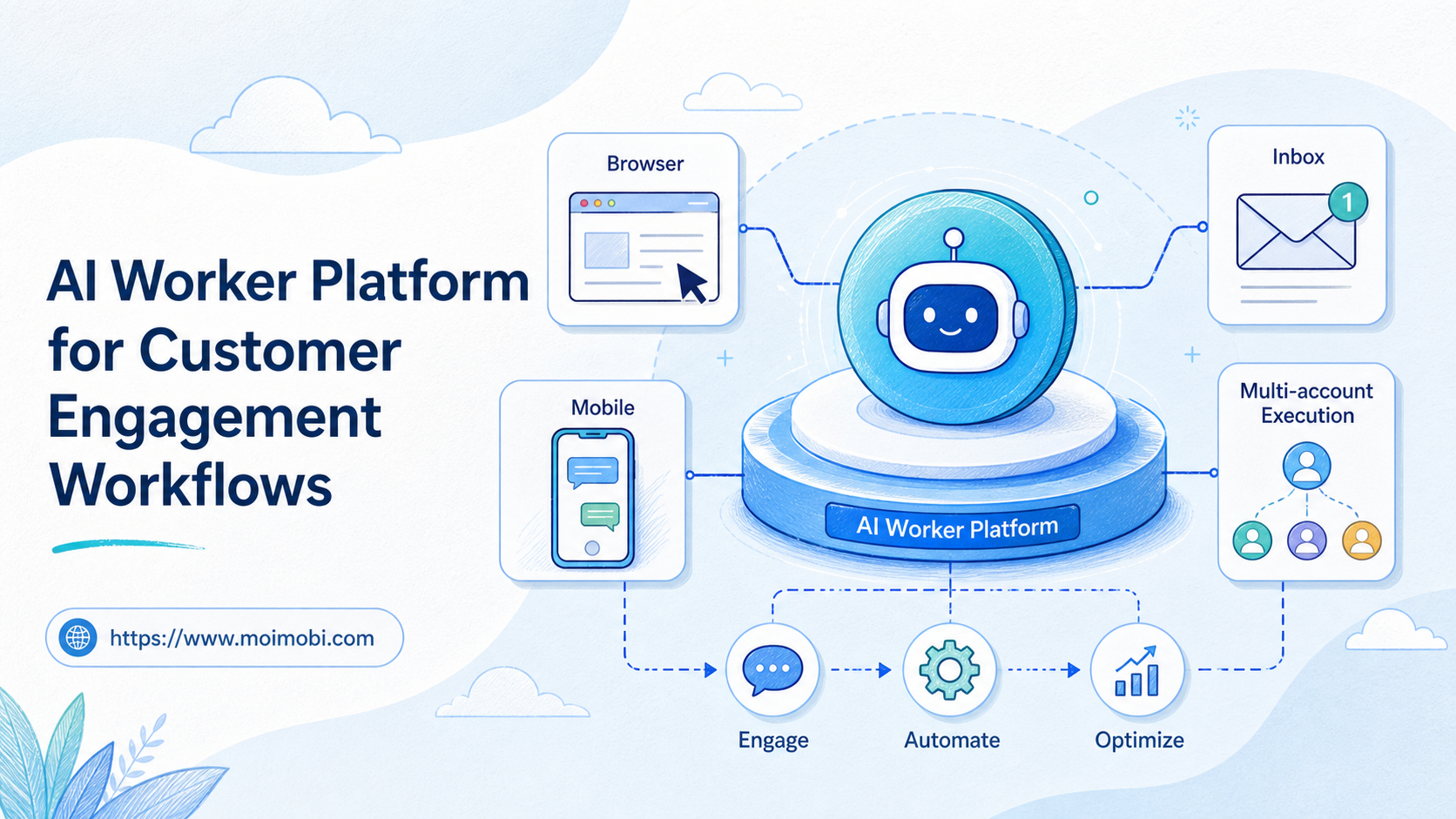
Moimobi fits this work as a multi-account execution platform for browser and mobile operations. It is not only a cloud phone rental layer. It connects cloud phones, device isolation, and workflow control for teams that manage repeated account work.
The Core Idea Behind Southeast Asia Ecommerce Seller Automation
The core idea is not to automate every seller action. The workable model is to split the operation into tasks that can be repeated, reviewed, and recovered.
Marketplace work may include product checks, order status review, campaign updates, buyer questions, and seller notifications. Social work may include content publishing, comment checks, DM triage, creator outreach, and competitor monitoring.
Official marketplace and platform tooling matters here. Shopee's Open Platform documentation and Lazada's Open Platform documentation both show that structured API workflows exist for parts of marketplace operations. TikTok's Content Posting API and Meta's Instagram Platform documentation also show that social publishing has permission and account requirements. A seller automation stack should respect those boundaries.
Why Teams Search for This Topic
Teams search for this topic when manual seller operations become too fragmented. One operator may check Shopee messages, another reviews TikTok comments, and a third updates listings. The work becomes hard to audit when every task lives in a different phone, browser, or app.
The second reason is account scale. A cross-border seller may operate regional stores, social accounts, creator accounts, and support accounts. Without a clear workspace model, mistakes become harder to trace.
The third reason is mobile execution. Some marketplace and social tasks still happen inside mobile apps. That is where cloud phone environments and mobile automation become part of the operating stack.
Who Benefits Most and In What Situations
The best fit is a team that manages several accounts across marketplaces and social channels. This includes cross-border sellers, small agencies, seller operations teams, and support teams handling buyer conversations.
Strong fit
- Multiple marketplace stores across countries
- Daily buyer replies and order checks
- Social accounts used for traffic and customer engagement
- Mobile apps required for part of the workflow
- Need for account ownership and task logs
Weak fit
- One store with light daily activity
- No social account workflow
- All tasks already handled by official APIs
- No team handoff or review problem
Use a simple rule: if one operator can finish the work with one browser and one phone, keep the system light. If several people need shared accounts, assigned devices, and review steps, move toward a controlled execution platform.
How to Evaluate or Start Using Seller Automation
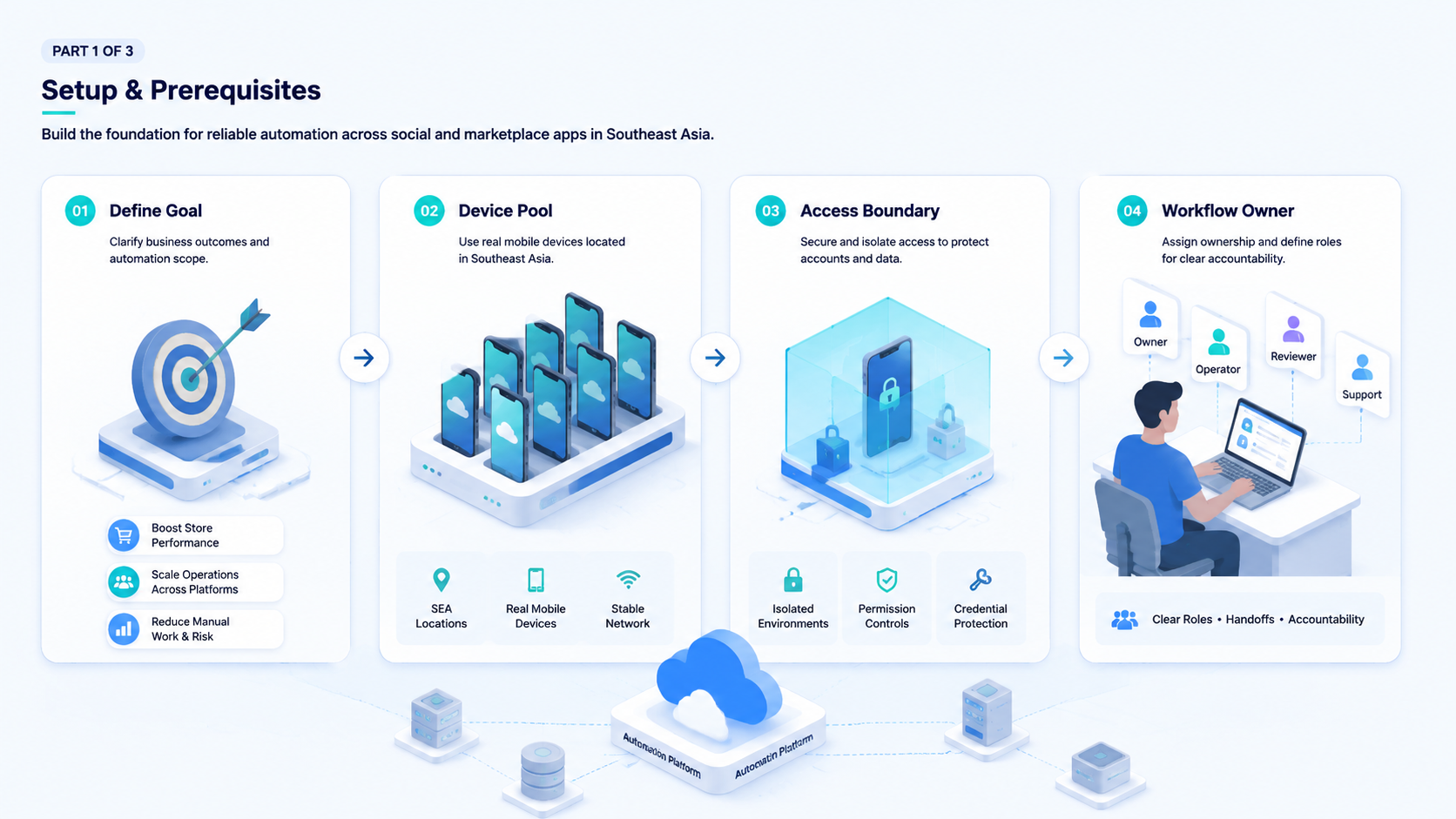
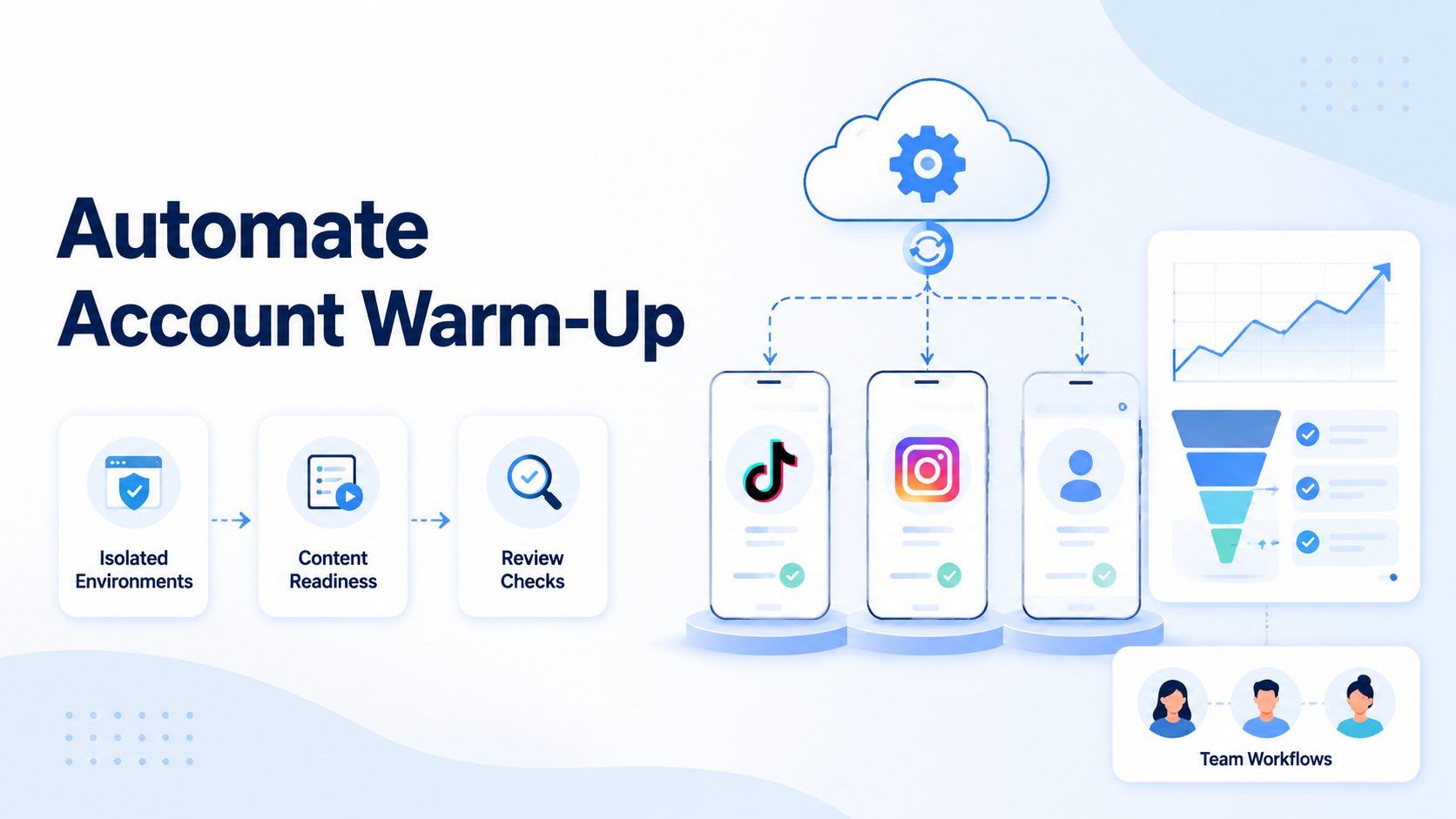
Start by separating tasks by execution surface. This prevents teams from forcing every task into one tool.
Use this checkpoint list:
- API-ready tasks: listing data, order fields, and structured marketplace data where official APIs support the workflow.
- Browser tasks: dashboards, reports, web inboxes, and admin screens.
- Mobile tasks: app-only checks, social feeds, comments, and messaging workflows.
- Review tasks: public replies, refund-sensitive messages, and campaign changes.
- Recovery tasks: login problems, failed sessions, duplicate actions, and account handoff issues.
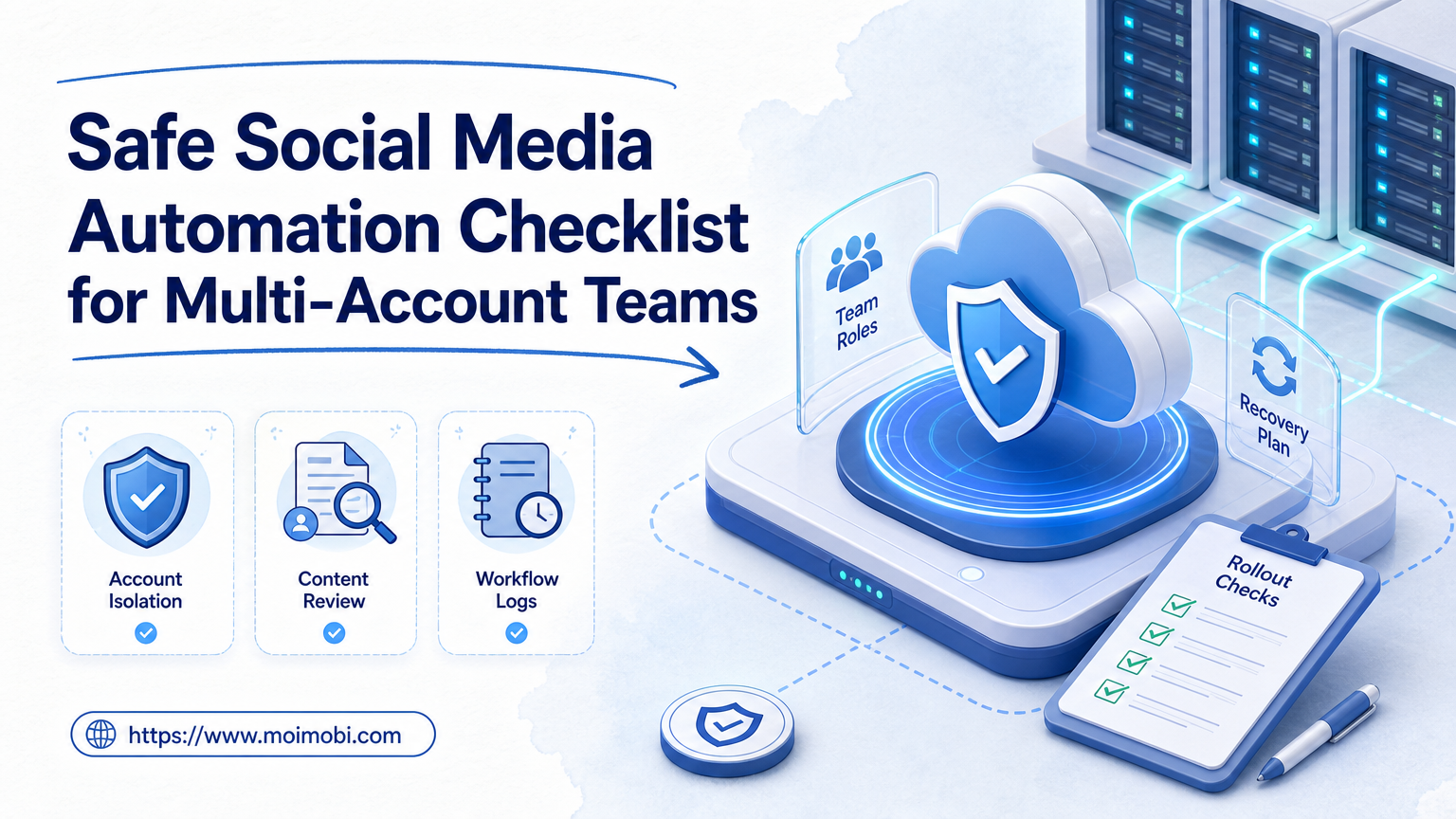
Moimobi's device isolation is relevant when accounts need separate environments. Its multi-account management layer matters when the team needs ownership, permissions, and traceability.
Mistakes That Reduce Results
The first mistake is starting with automation tools before mapping the seller workflow. A tool cannot fix unclear ownership. The team should know who owns each store, social account, device, and recovery path.
The second mistake is mixing API workflows with app workflows. API tasks should use platform-approved paths when available. App-based tasks should run inside assigned mobile environments with review controls.
The third mistake is measuring only output volume. More replies or more checks do not matter if they create more corrections. Seller teams should measure task quality, response readiness, order exception handling, and recovery time.
Another mistake is treating a phone farm as the only answer. A physical phone setup may work for a small team, but a phone farm alternative should be evaluated when labeling, remote access, and operator review become difficult.
Pilot Rollout, Measurement, and Recovery Checks
A pilot should stay narrow. Pick 2 marketplace stores, 2 social accounts, and 1 customer reply workflow. Run the pilot for two weeks before adding more accounts.
Track these fields:
| Field | What to record |
|---|---|
| Account | Store, region, and social handle |
| Environment | Browser profile, cloud phone, or app |
| Task | Reply, check, update, collect, or report |
| Reviewer | Operator or manager approving the output |
| Failure reason | Login, content, duplicate, timeout, or unclear instruction |
| Recovery time | Minutes or hours needed to restore the workflow |
The recovery field matters. A seller automation workflow is not ready to scale if the team cannot explain failed runs. Fix the failure pattern before adding more stores or social accounts.
Frequently Asked Questions
Is Southeast Asia ecommerce seller automation only for Shopee?
No. The same operating model can apply to marketplace, social, and messaging workflows across several platforms.
Should sellers automate marketplace tasks through APIs?
Use official APIs when they support the task. Use browser or mobile execution when the workflow still requires app or dashboard access.
Do sellers need cloud phones?
Cloud phones are useful when work requires mobile apps, assigned devices, or remote operator access.
Can this replace a physical phone farm?
It can replace parts of a phone farm workflow when remote access, labeling, and review matter more than physical handling.
What should be automated first?
Start with monitoring, draft replies, order checks, and report collection. Avoid sensitive actions until review rules are clear.
How does this help social commerce?
It connects social account tasks with marketplace follow-up. Operators can track comments, messages, orders, and account work together.
What is the main risk?
The main risk is weak process design. Automation magnifies unclear account ownership and poor review rules.
Conclusion
Southeast Asia ecommerce seller automation works best when teams separate API tasks, browser tasks, mobile app tasks, review tasks, and recovery tasks. That structure keeps automation practical.
Start with one small workflow and measure failures carefully. If the team can trace each task to an account, environment, reviewer, and recovery path, it is ready to expand the next account group.