Key Takeaways
- An Instagram automation platform is a workflow system for repeated account work, not just a content scheduler.
- Agencies and creators need clear account lanes, reviewer checkpoints, and restart rules before scaling.
- The real buying decision is about operational control, not only faster posting.
- A pilot should test lane clarity, handoff quality, and blocked-case recovery together.
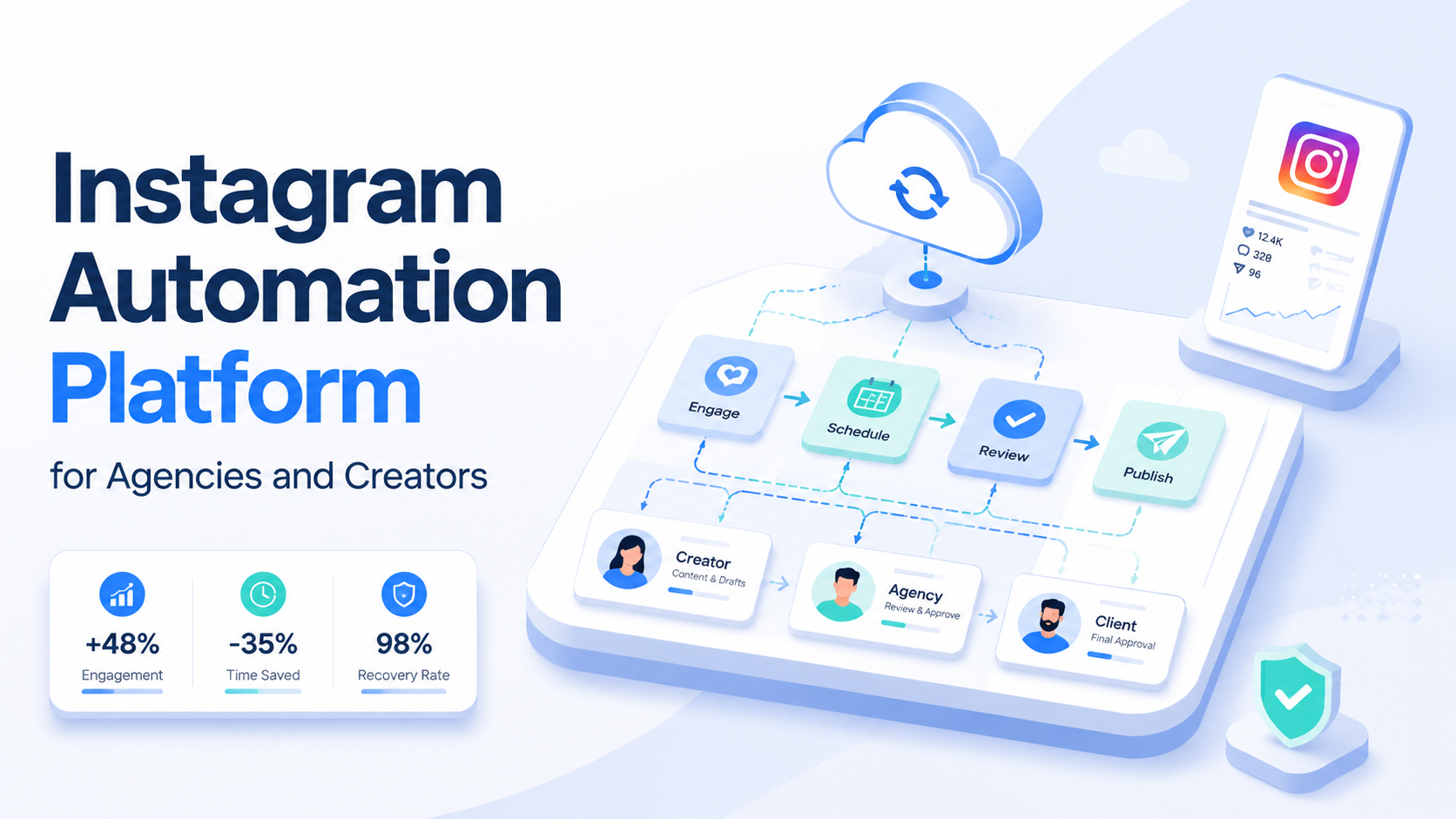
An Instagram automation platform is a system that helps agencies and creators run repeated Instagram tasks with clearer routing, account separation, and visible review steps. It is not only a scheduling tool. A workable platform also needs account ownership, lane-specific workflow rules, and a recovery path when a task pauses or fails.
This matters because Instagram work rarely stays inside one simple posting action. Teams review assets, captions, inbox tasks, account settings, creator collaborations, and reporting flows at the same time. Once several operators touch the same account pool, workflow quality depends on control more than speed.
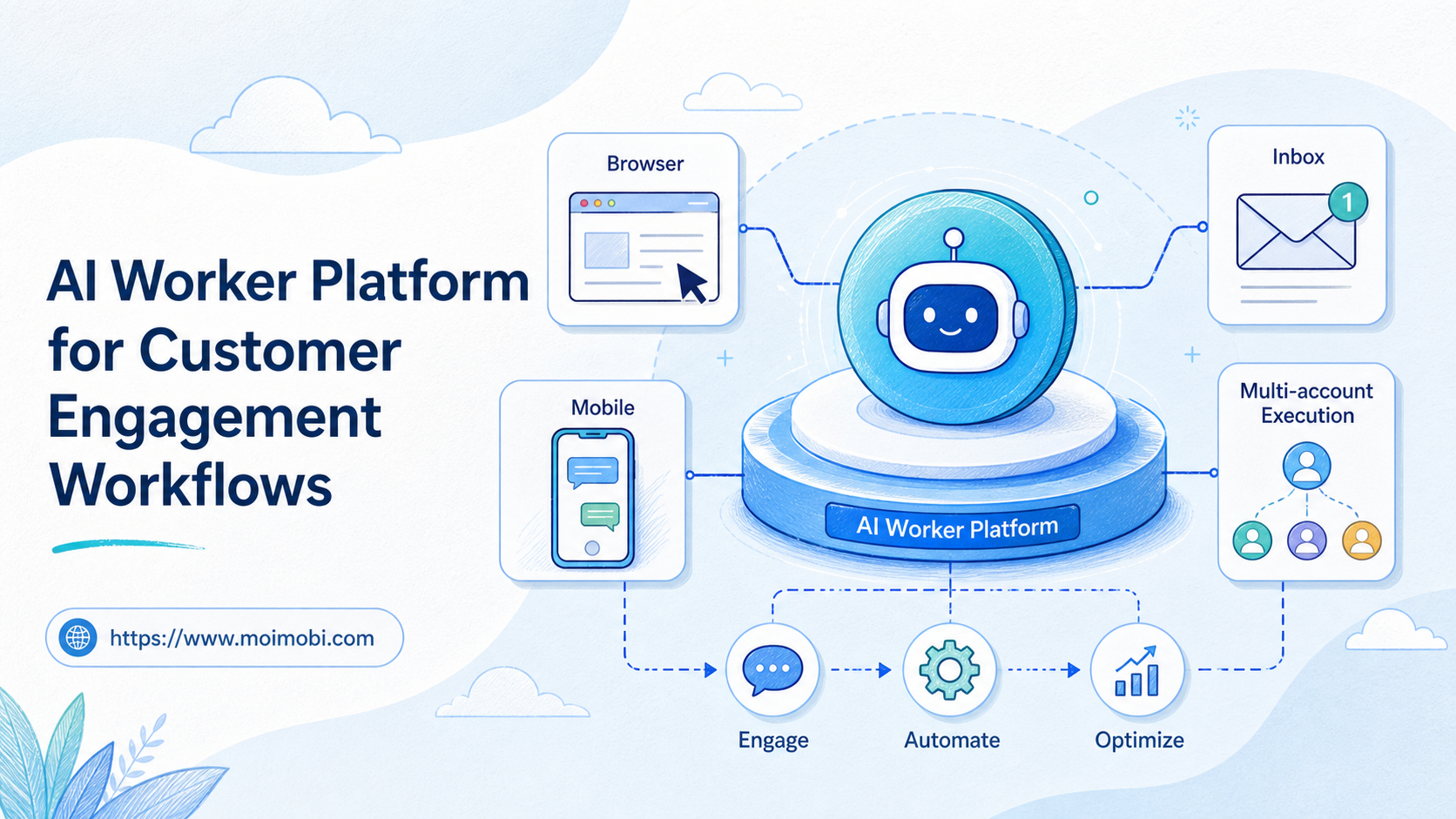
That is why many teams evaluate MoiMobi as execution infrastructure instead of only another social dashboard. The better question is not "can it automate Instagram?" The better question is "can the team use an Instagram automation platform to keep account work stable, reviewable, and easy to hand off?"
Meta Business Help and Instagram for Business both reflect business-side account workflows rather than one-click growth shortcuts.1 2 Playwright and W3C WebDriver also reinforce the importance of explicit browser sessions when account work depends on controlled execution lanes.3 4
The Core Idea Behind Instagram Automation Platform for Agencies and Creators
The common myth is that an Instagram automation platform should replace the operator. That is not the useful model.
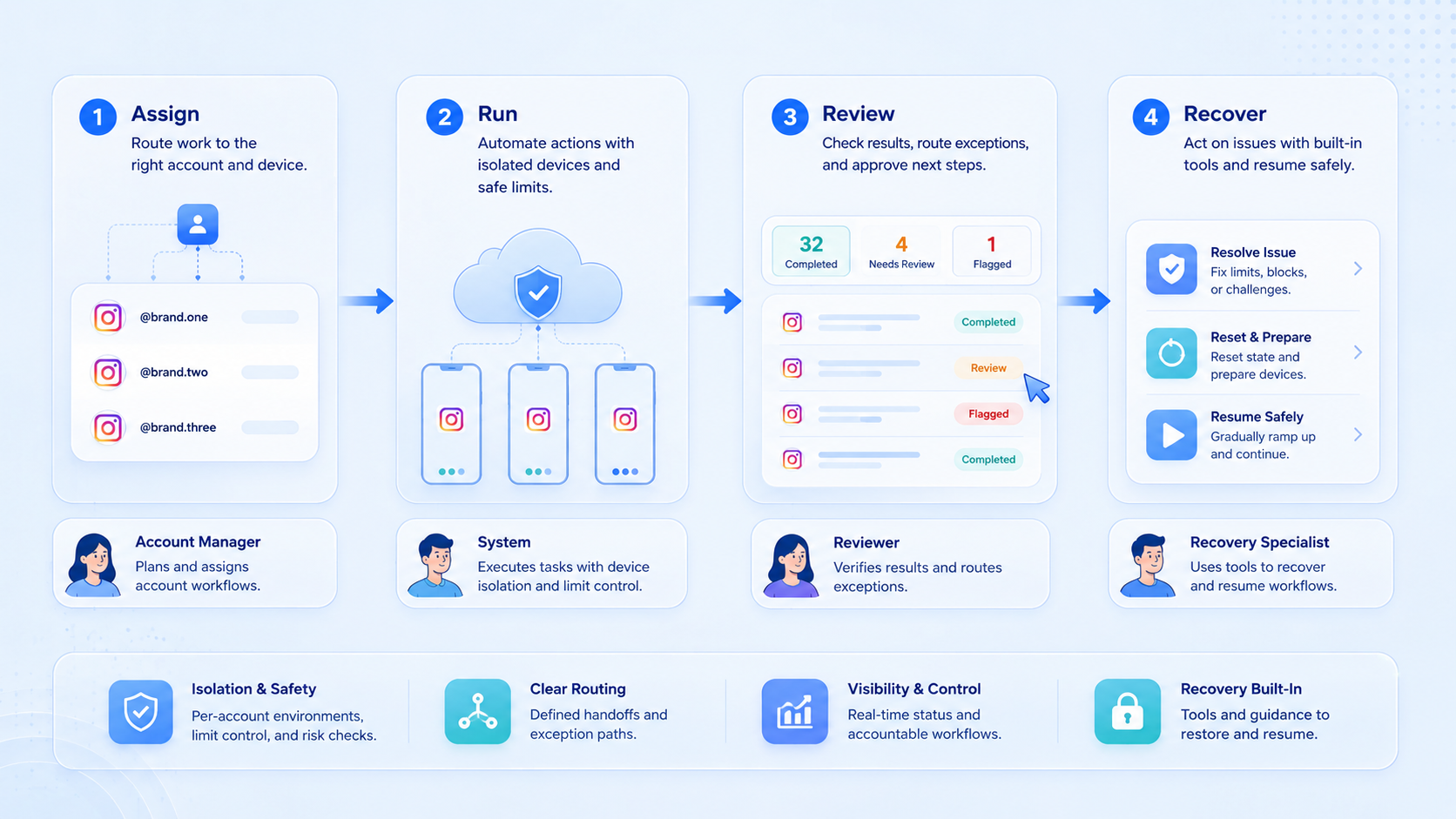
The practical model is a lane system. It helps the team move repeated Instagram tasks through preparation, review, execution, and recovery with less confusion.
| Layer | What it controls | Why it matters |
|---|---|---|
| Account lane | Which account cluster owns the task | Prevents mixed ownership |
| Task lane | Publishing, inbox, moderation, or review work | Keeps workflows predictable |
| Review lane | Who approves the next action | Protects public-facing quality |
| Recovery lane | How blocked runs restart | Reduces manual rescue |
That is why this topic connects naturally to multi-account management, social media marketing, and device isolation.
Why Teams Search for This Topic
Teams usually search for this topic when Instagram work becomes harder to coordinate than to create. The content may be ready, but the operator path is not.
The most common triggers are:
- Account growth: more client, brand, or creator accounts share the same operator pool.
- Workflow growth: publishing, inbox review, and reporting begin competing for the same access.
- Handoff growth: one person starts the task and another person finishes it.
At that point, the problem is no longer just posting speed. The problem is whether the team can keep the lane clear enough that another reviewer can understand the next action without asking for private context.
Who Benefits Most and In What Situations
This model is strongest for teams with repeated Instagram account work. It is weaker for one-off or single-account workflows with no real handoff pressure.
Strong match
- Agencies managing several client account clusters.
- Creator teams coordinating release, inbox, and review tasks.
- Brands with repeated Instagram campaign workflows.
- Managers who need visible ownership and cleaner recovery.
Weak match
- One-off posting with no repeated workflow.
- Very small teams with no reviewer or blocked-case owner.
- Projects that still rely on one pooled execution context.
- Workflows with no stable task family to automate.
One practical example is a creator agency handling sponsored posts, comment review, and account updates for several creators. Without a lane-based system, the work overlaps and blurs accountability. With one, each run becomes easier to inspect and continue.
How to Evaluate or Start Using Instagram Automation Platform for Agencies and Creators
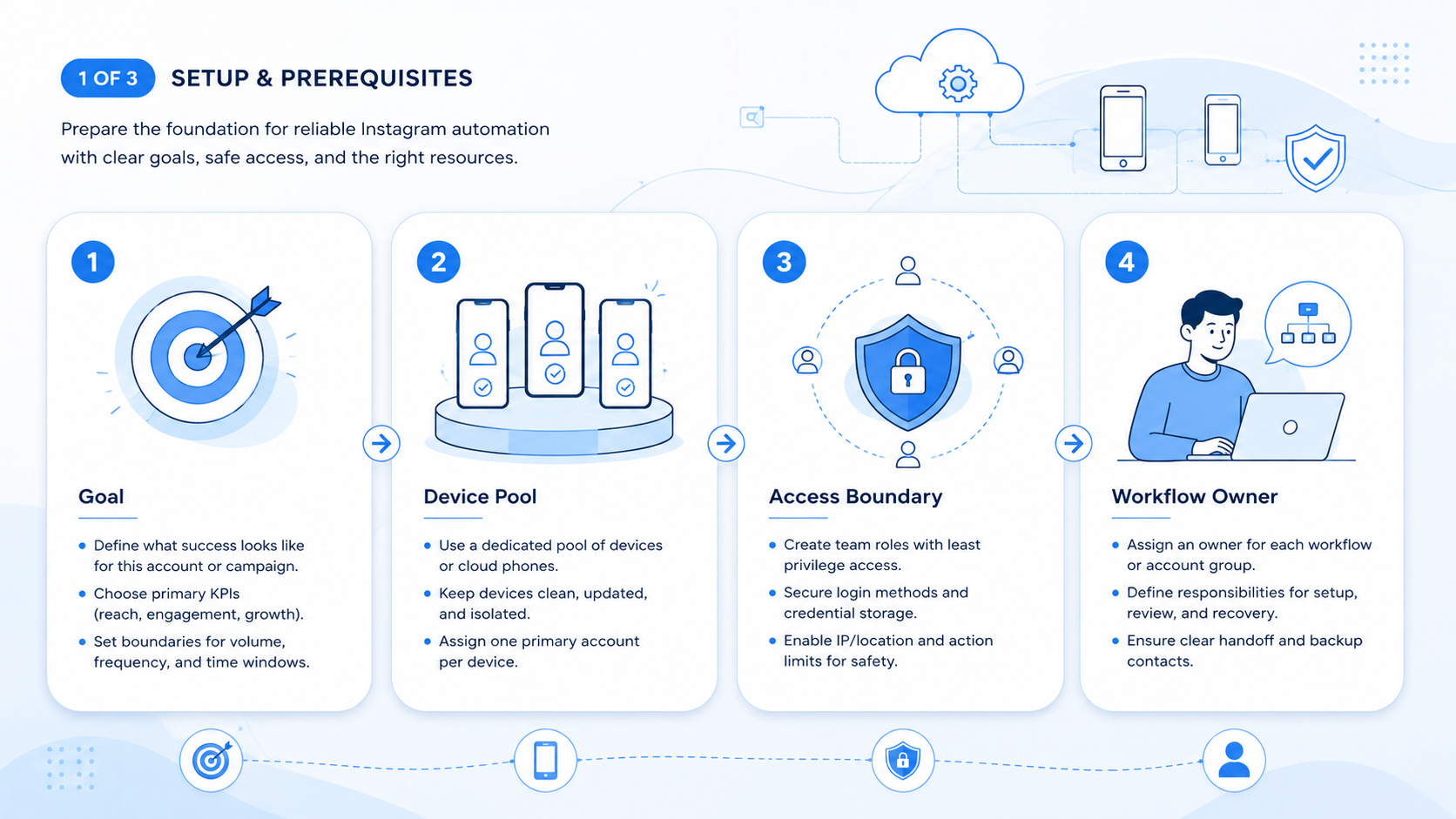
The first guardrail is simple: do not automate a broad account operation before the lane design is clear.
Start with one task family and one account cluster.
- Choose a repeated Instagram workflow such as scheduled posting, inbox review, or creator release checks.
- Assign one account cluster to one execution lane.
- Define the review checkpoint, blocked-case owner, and next-action record.
- Separate browser-side review from mobile-side completion when the workflow needs both.
- Expand only after another operator can reopen the lane and continue without rebuilding context.
Use this pass or fail view:
| Check | Pass | Fail |
|---|---|---|
| Lane clarity | One account cluster owns the run | The same task drifts across unrelated accounts |
| Review clarity | The next reviewer is visible | Approval lives only in chat |
| Recovery clarity | Blocked runs restart from a known state | Retries start from guesswork |
| Transfer clarity | A second operator can inherit the run | Only one person understands the state |
Teams that depend on mobile-side completion may also want cloud phone and mobile automation as follow-up pages.
An additional benefit is cleaner client reporting. When each Instagram lane has a clear owner, review checkpoint, and recovery record, the agency can explain not only what happened but also why the next action was chosen. That is much harder when account work is spread across personal tabs and informal chat instructions.
Operating Signals Teams Should Review Weekly
An Instagram automation platform should produce repeatable signals that a lead can inspect every week. If the platform cannot show those signals, the workflow is still fragile.
Use a weekly review like this:
| Signal | Healthy sign | Weak sign |
|---|---|---|
| Lane ownership | One person or squad owns the current step | Ownership changes without record |
| Review timing | Approval happens at known checkpoints | Review timing shifts every run |
| Blocked-case handling | Paused work stays in the same lane | Retries move to side notes and chat |
| Transfer quality | A second operator can continue quickly | Only the original operator understands the state |
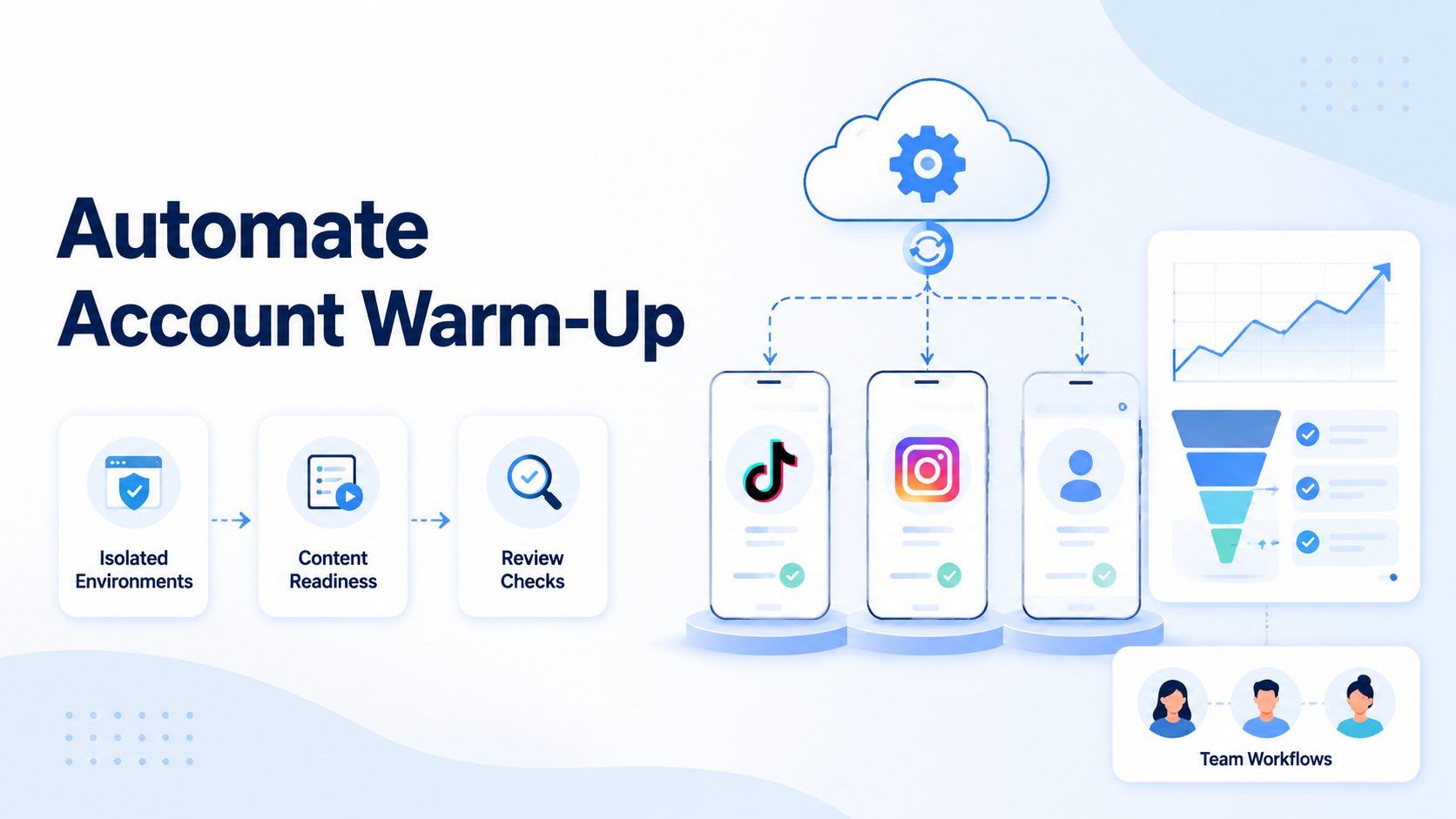
This is also where device isolation becomes part of the buying decision. The team does not only need automation triggers. It needs stable execution boundaries that make weekly review possible.
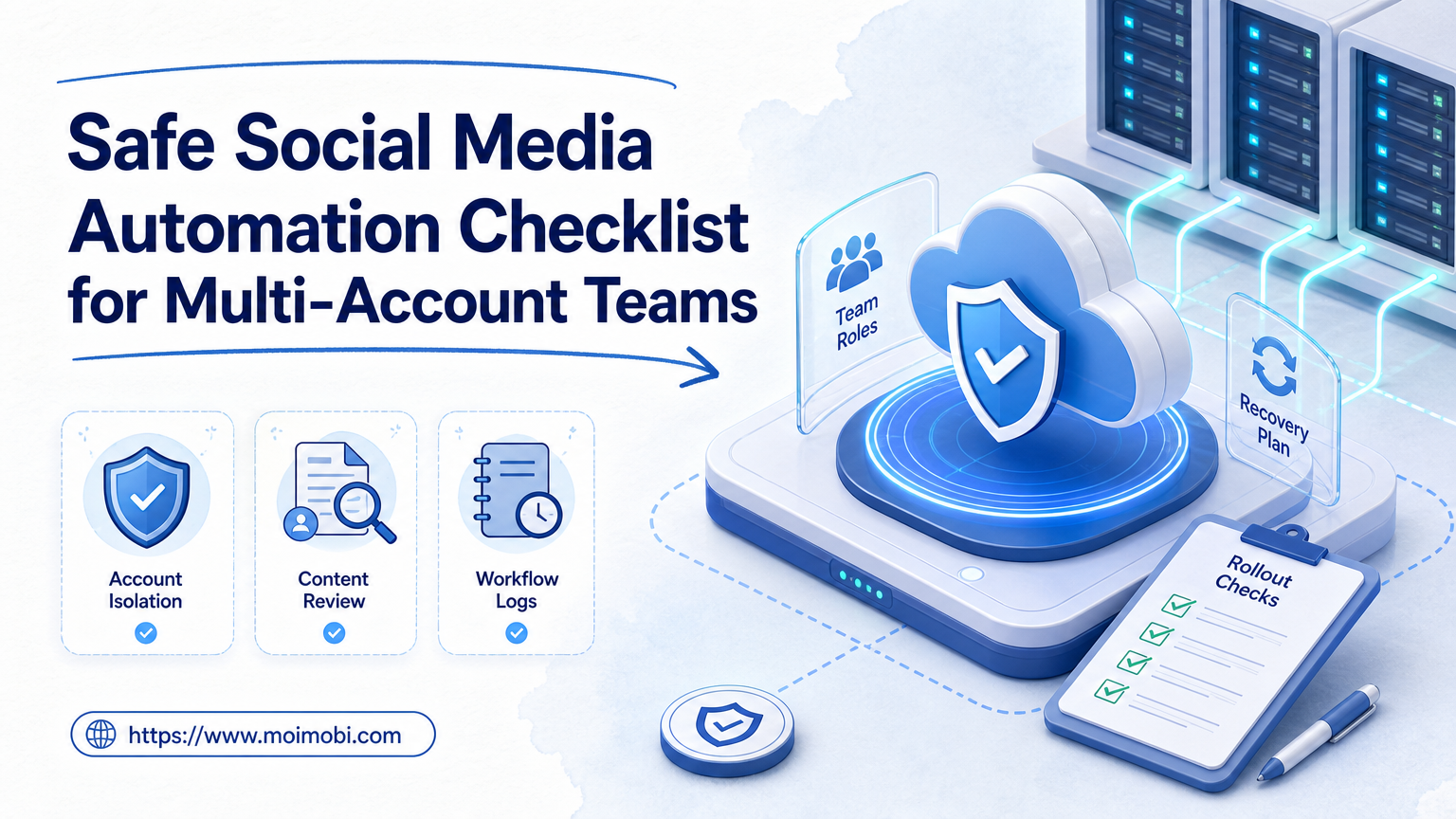
Quick operating checklist
- one account cluster per lane
- one review checkpoint per repeated task
- one owner for blocked cases
- one restart note another operator can follow
How a Small Pilot Usually Looks
A small pilot often works better than a broad rollout. Pick one account cluster, one repeated Instagram task family, and one reviewer path. Run that lane for a fixed period, then inspect where blocked cases, handoff delays, or unclear ownership still appear.
If the pilot still depends on private chat to explain the next step, the team is not ready to scale. If the pilot can survive operator change with the same lane record, the next cluster is much safer to add.
Another useful pilot habit is weekly exception review. Look at the runs that paused, needed manual rescue, or changed owners midstream. Those cases usually reveal whether the Instagram automation platform has a weak review rule, a weak restart rule, or an account boundary that still needs to be narrowed before scale.
A simple client example helps here. If one creator campaign lane keeps pausing at approval while another keeps pausing at asset delivery, the team should not treat both issues as generic automation failures. The first is a review-design problem. The second is an intake-design problem. That distinction is what makes the platform operational instead of cosmetic.
Mistakes That Reduce Results
The first mistake is using one giant queue for every Instagram task. Publishing, moderation, inbox work, and account changes often need different ownership and recovery rules.
The second mistake is adding more accounts before the first lane survives blocked-case review cleanly. Scale without recovery discipline usually creates rescue work.
The third mistake is hiding workflow state. If a manager cannot tell which lane owns the next action, the platform is still too opaque.
What not to do
- Do not pool unrelated client or creator accounts into one lane.
- Do not call the system successful only because it moves tasks faster.
- Do not leave blocked cases inside private notes.
- Do not expand the next cluster before the first one survives reviewer handoff.
One common failure mode appears when agencies combine sponsored-post review and community engagement in one shared queue. The system still moves tasks, but the team cannot easily tell which lane owns the current decision.
Pilot Rollout, Measurement, and Recovery Checks
The pilot should prove that the first Instagram account cluster becomes easier to inspect and continue, not only faster to touch.
Track the rollout with a short scorecard:
| Check | Healthy sign | Failure sign |
|---|---|---|
| Lane integrity | Each task stays in the right account cluster | Ownership becomes ambiguous |
| Review visibility | The next reviewer is obvious | Approvals happen informally |
| Recovery quality | Blocked runs restart from a known state | Retries become ad hoc |
| Transfer quality | A second operator can inherit the run | Handoff depends on private memory |
| Scale readiness | The same pattern fits the next account cluster | Complexity grows faster than control |
A strong pilot test is reviewer transfer. Ask another operator to open a paused lane and explain the current state and next approved action. If they can do that quickly, the platform is likely ready for a larger rollout.
Frequently Asked Questions
Is an Instagram automation platform only for posting?
No. A useful platform also supports review, routing, and blocked-case recovery.
What should a team automate first?
Start with one repeated Instagram task family and one account cluster.
Why does lane ownership matter?
Because automation is less useful when nobody knows who owns the next decision.
Does this fit agencies?
Yes, especially when several client or creator lanes share one operator team.
What is the first warning sign?
The team cannot explain which lane owns the active or blocked run.
Can browser and mobile execution both be part of the platform?
Yes. Many Instagram workflows depend on both surfaces.
What should the pilot measure?
Lane integrity, review visibility, transfer quality, and recovery quality.
When should teams stop expansion?
Pause when blocked cases require more rescue work than the workflow is removing.
Conclusion
An Instagram automation platform for agencies and creators works when the team treats automation as controlled execution instead of faster task launch.
Before scaling, check these points:
- one clear account lane
- one visible review path
- one known recovery path
- one handoff model that survives operator change
If those checks hold, the next account cluster is more likely to scale with less operational drift.
Sources